
| Date | Name | Day | Week | Days left |
|---|---|---|---|---|
| July 24, 2026 | National Tequila Day 2026 | Friday | 30 | - |
| July 24, 2027 | National Tequila Day 2027 | Saturday | 29 | 287 |
| July 24, 2028 | National Tequila Day 2028 | Monday | 30 | 653 |
| July 24, 2029 | National Tequila Day 2029 | Tuesday | 30 | 1018 |
| July 24, 2030 | National Tequila Day 2030 | Wednesday | 30 | 1383 |
| July 24, 2031 | National Tequila Day 2031 | Thursday | 30 | 1748 |
| July 24, 2032 | National Tequila Day 2032 | Saturday | 30 | 2114 |
| July 24, 2033 | National Tequila Day 2033 | Sunday | 29 | 2479 |
| July 24, 2034 | National Tequila Day 2034 | Monday | 30 | 2844 |
| July 24, 2035 | National Tequila Day 2035 | Tuesday | 30 | 3209 |
National Tequila Day: Celebrating Mexico’s Iconic Spirit in Style
National Tequila Day is an annual celebration held on July 24, inviting enthusiasts around the world to honor Mexico’s most famous spirit. With its rich history, cultural significance, and unique flavors, tequila has become a global favorite, enjoyed straight, in cocktails, and even in cooking. Let’s dive into the fascinating origins of tequila, its journey from agave fields to glasses, and how to celebrate National Tequila Day with fun and respect for its heritage.
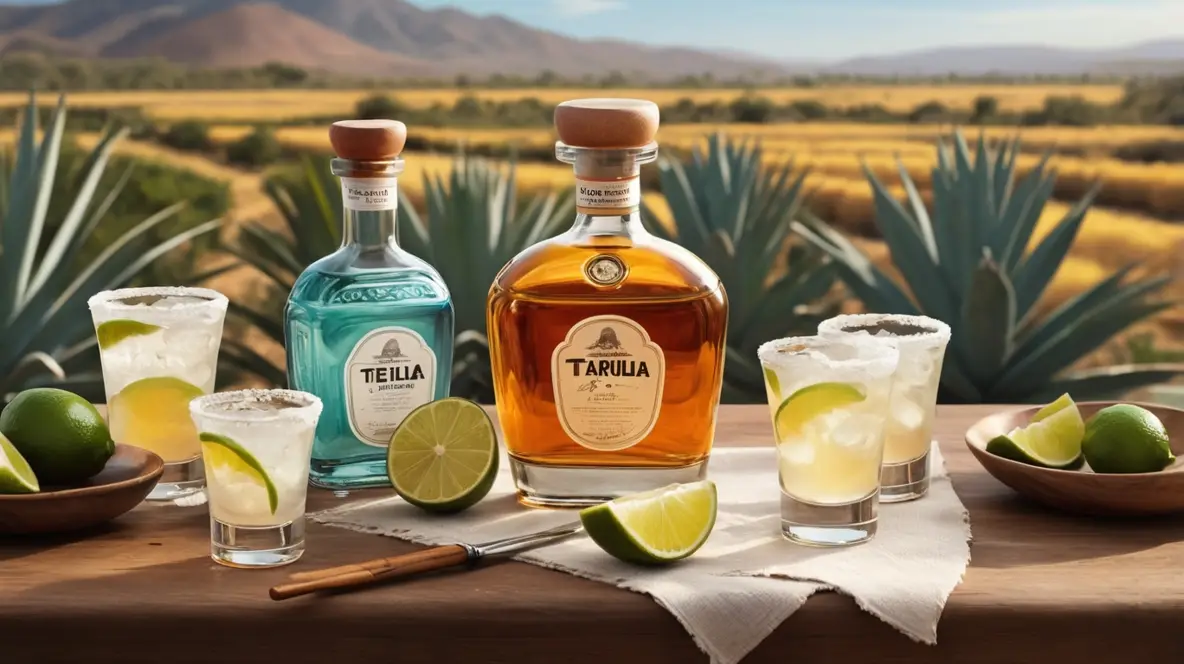
The History of Tequila: A Journey from Agave Fields to Fame
Where Does Tequila Come From?
Tequila hails from the Mexican state of Jalisco, where the blue agave plant thrives. The spirit’s origins date back to the 16th century when indigenous Mexicans began fermenting the agave plant. Eventually, distillation methods improved, and modern tequila was born.
The Importance of Blue Agave
Tequila can only be made from blue agave, a plant that grows in Jalisco and a few other Mexican states. Blue agave takes several years to mature, and its cultivation requires careful planning and respect for the land, making each bottle of tequila a product of years of dedication.
Tequila’s Role in Mexican Culture
Tequila has deep cultural roots in Mexico and is celebrated as a symbol of national pride. Its significance goes beyond being a drink; it represents Mexican craftsmanship and heritage, cherished worldwide for its distinct taste and cultural value.
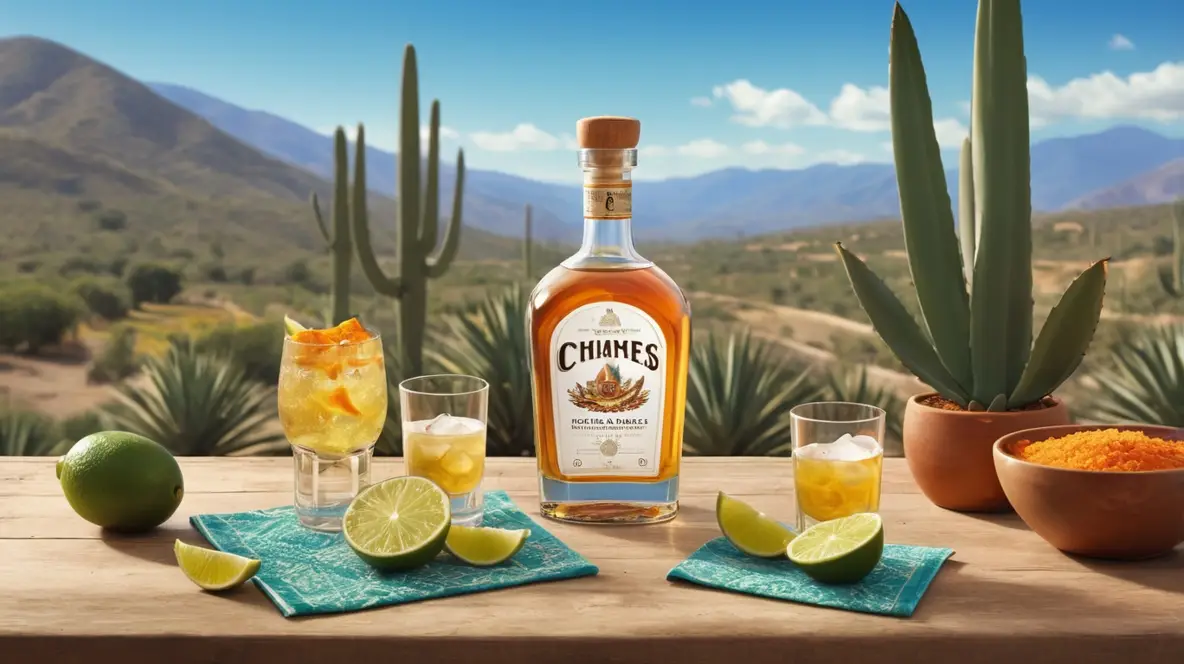
Types of Tequila: Exploring the Different Varieties
1. Blanco (Silver) Tequila
Blanco tequila is clear and typically unaged. It has a strong agave flavor and is often used in cocktails.
2. Reposado (Rested) Tequila
Reposado tequila is aged in wooden barrels for at least two months, giving it a smoother taste and a light golden hue.
3. Añejo (Aged) Tequila
Añejo tequila is aged for at least one year, resulting in a richer, more complex flavor profile. It’s ideal for sipping and enjoying on its own.
4. Extra Añejo (Extra Aged) Tequila
Extra Añejo tequila is aged for over three years. This variety has a dark color and a deep, nuanced taste, making it a favorite among tequila aficionados.
How to Celebrate National Tequila Day
National Tequila Day offers a fantastic opportunity to enjoy tequila responsibly and explore its versatility. Here are some fun ways to celebrate:
1. Host a Tequila Tasting
Invite friends over for a tasting session. Offer different varieties—Blanco, Reposado, Añejo, and Extra Añejo—and encourage guests to compare flavors and aromas.
2. Try New Tequila Cocktails
From the classic margarita to tequila sunrise, there are endless cocktails to explore. Mix it up with innovative tequila recipes and try pairing tequila with fresh fruit, herbs, and spices.
3. Visit a Tequila Distillery (If Possible)
If you have the opportunity, a distillery tour can be an eye-opening experience. Learn how tequila is made, from harvesting agave to bottling the final product.
4. Learn Tequila Etiquette
In Mexico, tequila is often enjoyed neat. Respect the tradition by trying it without mixers, savoring the flavor, and appreciating the craftsmanship.
Interesting Tequila Facts
- Tequila must be made from blue agave and in designated Mexican states, including Jalisco.
- Mexico has over 200 types of agave, but only blue agave is used for tequila.
- A mature blue agave plant can weigh up to 200 pounds and takes 8-12 years to fully mature.
Enjoy National Tequila Day Responsibly
National Tequila Day is not only a celebration of a drink but a tribute to the heritage, artistry, and dedication that goes into making tequila. As you raise a glass on July 24, remember the journey from agave fields to bottle and appreciate the culture that gave us this iconic spirit. Salud!
Upcoming Holidays And Celebrations:
| Date | Type | Name |
|---|---|---|
| 10 October 2026 | Event | World Mental Health Day |
| 11 October 2026 | Event | Pastor Appreciation Day 2026 |
| 11 October 2026 | Event | Yom Kippur 2026 |
| 11 October 2026 | National day | National Coming Out Day |
| 12 October 2026 | Event | Indigenous Peoples' Day 2026 |
| 12 October 2026 | Holiday | Columbus Day 2026 |
| 13 October 2026 | Event | Ada Lovelace Day 2026 |
| 13 October 2026 | Event | Navy Birthday |
| 15 October 2026 | Event | Global Handwashing Day |
| 15 October 2026 | Event | Spirit Day 2026 |
| 15 October 2026 | Event | White Cane Safety Day |
| 16 October 2026 | Event | Boss’s Day |
| 16 October 2026 | Event | World Food Day |
| 17 October 2026 | Event | International Day for the Eradication of Poverty |
| 17 October 2026 | Event | Sweetest Day 2026 |
| 17 October 2026 | National day | National Pasta Day |
| 18 October 2026 | Event | Alaska Day |
| 20 October 2026 | Event | International Sloth Day |
| 20 October 2026 | Event | Vijaya Dashami 2026 |
| 20 October 2026 | National day | National Pharmacy Technician Day 2026 |
5 Frequently Asked Questions (FAQs)
- When is National Tequila Day?
National Tequila Day is celebrated on July 24 each year. - What is tequila made from?
Tequila is made exclusively from blue agave, grown primarily in Jalisco, Mexico. - How many types of tequila are there?
There are four main types of tequila: Blanco, Reposado, Añejo, and Extra Añejo. - Can you age tequila?
Yes, Reposado, Añejo, and Extra Añejo tequilas are aged in barrels, resulting in distinct flavors and colors. - Is it traditional to drink tequila neat?
Yes, in Mexico, tequila is often enjoyed neat, allowing the full flavor to be appreciated.

Chokri Hamouda runs Calendarena.com. He makes simple, printable calendar templates. His goal is to help people organize their time better. He updates the site with monthly and yearly calendars for users worldwide. Chokri focuses on making calendars that are easy to read and use. He also researches holidays and date systems to keep everything accurate.