
When is Autism Awareness Day?
| Date | Name | Day | Week | Days left |
|---|---|---|---|---|
| April 2, 2026 | Autism Awareness Day 2026 | Thursday | 14 | - |
| April 2, 2027 | Autism Awareness Day 2027 | Friday | 13 | 174 |
| April 2, 2028 | Autism Awareness Day 2028 | Sunday | 13 | 540 |
| April 2, 2029 | Autism Awareness Day 2029 | Monday | 14 | 905 |
| April 2, 2030 | Autism Awareness Day 2030 | Tuesday | 14 | 1270 |
Theme, Activities, and the Shift to Acceptance
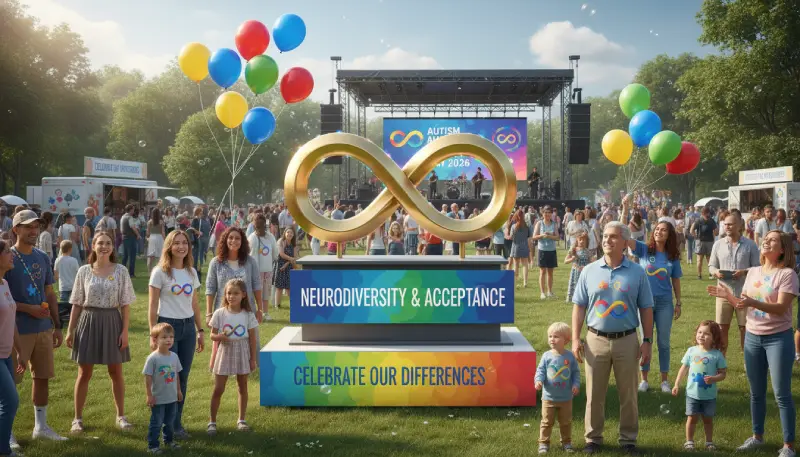
World Autism Awareness Day is an internationally recognized day on April 2nd that encourages UN Member States to take measures to raise awareness, promote acceptance, and celebrate the contributions of neurodivergent individuals.
Autism Awareness Day 2027 marks another important milestone in the global movement toward understanding and accepting autistic individuals. Autism Awareness Month is observed every April to promote understanding, acceptance, and inclusion of autistic individuals worldwide. This month-long observance, anchored by World Autism Awareness Day on April 2nd, brings together communities, organizations, and advocates to celebrate neurodiversity and work toward a more inclusive society.
As we approach Autism Awareness Day 2027, communities worldwide are preparing special events, educational programs, and advocacy initiatives. Check out the complete April 2027 calendar to plan your Autism Awareness Day activities alongside other April holidays in 2027.
When Is World Autism Awareness Day
April has been designated as Autism Awareness Month, with World Autism Awareness Day specifically observed on April 2nd each year. The United Nations General Assembly established this date through resolution A/RES/62/139, which was proposed by Qatar representative Her Highness Sheikha Moza bint Nasser Al-Missned on November 1, 2007, and adopted on December 18, 2007. The first official World Autism Awareness Day was celebrated on April 2, 2008, marking the beginning of an annual global movement.
The entire month of April serves as an extended period for education, advocacy, and community engagement around autism. Organizations worldwide, including the Autism Society, use this time to host events, share resources, and amplify autistic voices to create lasting change in how society understands and supports individuals on the autism spectrum.
Understanding Autism Spectrum Disorder: 2027 Perspectives
Autism spectrum disorder (ASD) is a complex neurodevelopmental condition that affects how individuals communicate, interact socially, and experience the world around them. The term “spectrum” reflects the wide variation in characteristics, strengths, and challenges that autistic people experience.
Updated Prevalence Statistics
According to the latest CDC ADDM Network data (2025/2027), autism prevalence has reached 1 in 31 children in the United States, marking a significant increase in diagnosis rates. This shift reflects improved diagnostic equity and awareness across diverse communities, making Autism Awareness Day 2027 more relevant than ever.
Demographic data reveals important progress in diagnostic accessibility:
- Black children: 3.7% prevalence rate
- Asian/Pacific Islander children: 3.8% prevalence rate
- Hispanic children: 3.3% prevalence rate
- White children: 2.8% prevalence rate
For the first time, prevalence rates among Black, Hispanic, and Asian/Pacific Islander children have surpassed or met those of White children, highlighting a shift from “incidence increasing” to “diagnostic equity improving.”
Gender differences remain significant, with boys diagnosed at approximately 1 in 20, while girls are diagnosed at approximately 1 in 70. This disparity is partly attributed to masking and camouflaging behaviors, where girls often hide autistic traits to fit social expectations.
Understanding Profound Autism
Approximately 26.7% of the autistic population falls into the “profound autism” category, characterized by requiring very substantial support in daily living activities. Recognizing this distinction helps ensure appropriate resources and accommodations are available for those with the highest support needs.
Common Characteristics and Traits
Autistic individuals may display various behaviors and patterns, including:
- Repetitive movements such as hand flapping, rocking, or spinning (also known as stimming)
- Intense focus on specific interests or parts of objects
- Preference for consistent routines and difficulty with unexpected changes
- Echolalia, which involves repeating words or phrases
- Unique sensory experiences, including heightened or reduced sensitivity to sounds, textures, tastes, and visual stimuli
- Differences in social communication and interpreting non-verbal cues
- Masking or camouflaging autistic traits in social situations, particularly common among girls and women
Autism Awareness vs. Autism Acceptance: The Paradigm Shift
The language surrounding autism has evolved significantly over recent years, with many advocates and organizations shifting from “awareness” to “acceptance.” Understanding this distinction is crucial for creating meaningful support and inclusion that centers neurodiversity-affirming practices.
The Awareness Approach
Autism awareness focuses on educating the public about the existence of autism and its basic characteristics. While awareness campaigns help people recognize autism and understand it as a legitimate condition, they often stop at surface-level knowledge. Traditional awareness efforts have sometimes relied on stereotypes or portrayed autism primarily through a lens of deficits and challenges, often using imagery like puzzle pieces to suggest autistic people are incomplete or need to be “solved.”
The Acceptance and Neurodiversity-Affirming Movement
Autism acceptance goes deeper than awareness by emphasizing understanding, respect, and valuing autistic individuals for who they are. This neurodiversity-affirming approach, championed by organizations like the Autistic Self Advocacy Network, involves:
- Recognizing autistic people as complex, multidimensional individuals with unique strengths and perspectives
- Creating environments where neurodiversity is celebrated rather than simply tolerated
- Actively working to remove barriers that prevent full participation in education, employment, healthcare, and social opportunities
- Listening to and amplifying autistic voices in discussions about autism, centering self-advocacy
- Supporting the right to stim, communicate differently, and exist authentically without pressure to conform to neurotypical standards
- Acknowledging autism as a natural neurological variation rather than a deficit to be cured
This shift in perspective makes Autism Awareness Day 2027 particularly significant as more communities embrace acceptance over mere awareness.
Enhanced self-esteem and improved mental health are significant benefits of acceptance, as autistic individuals feel valued for their authentic selves rather than pressured to mask their natural behaviors. The shift toward acceptance promotes true inclusivity in schools, workplaces, and communities, creating a more diverse and compassionate society.
Symbolism: From Puzzle Pieces to Infinity
The autism community has largely moved away from the puzzle piece symbol, which many autistic self-advocates find problematic as it suggests they are incomplete or puzzling. Instead, the gold infinity symbol and rainbow infinity symbol have emerged as symbols of acceptance, representing the infinite diversity within the autism spectrum and the broader neurodivergent community.
The 2027 Theme: Celebrate Differences
The 2027 Autism Acceptance Month theme is “Celebrate Differences,” emphasizing the importance of recognizing and valuing the unique qualities that autistic individuals bring to society. As Autism Awareness Day 2027 approaches on April 2nd, this theme encourages communities to move beyond mere tolerance toward genuine celebration of neurodiversity.
The focus on celebrating differences aligns with the broader shift from awareness to acceptance, recognizing that autism is not simply a diagnosis but an identity and lived experience encompassing both challenges and triumphs. By celebrating differences during Autism Awareness Day 2027 and throughout April, we acknowledge the diverse strengths, perspectives, and contributions of autistic individuals while working to create a world that truly works for everyone.
April Autism Awareness Month Activities
Participating in Autism Awareness Day 2027 activities helps foster understanding and creates opportunities for meaningful connections within communities. Whether you’re planning events for Autism Awareness Day on April 2nd or throughout the month, here are neurodiversity-affirming ways to get involved. Consider marking your April 2027 calendar with these meaningful activities:
Educational Initiatives
- Host neurodiversity workshops featuring presentations by autistic self-advocates, autism professionals, and family members who can share lived experiences and expert knowledge
- Organize panel discussions led by autistic speakers to provide parents, educators, and employers with resources for supporting autistic children and adults
- Screen documentaries that showcase authentic autistic experiences and perspectives, created by or featuring autistic people
- Create resource libraries with books featuring autistic characters written by autistic authors and information about neurodiversity-affirming practices
Creative and Interactive Activities
- Infinity symbol art projects where students or community members create art featuring the gold or rainbow infinity symbol with messages about acceptance and neurodiversity
- Sensory exploration stations that help neurotypical individuals experience different sensory processing styles through hands-on activities with fidget toys, textured objects, and calming materials
- Autism acceptance coloring pages for younger children that incorporate infinity symbols and messages about inclusion and celebrating differences
- Art exhibitions showcasing creative works by autistic artists, celebrating their unique talents and perspectives
Community Engagement
- Fundraising events to support autism organizations led by autistic people and neurodiversity-affirming research initiatives
- Social media campaigns using hashtags like #CelebrateDifferences, #AutismAcceptance, and #NeurodiversityAffirming while sharing educational content throughout April
- Sensory-friendly community events designed to be accessible and welcoming for autistic individuals and their families
- Community walks and gatherings that center autistic voices and celebrate neurodiversity
Family-Centered Activities
- Story time sessions featuring books with autistic characters written by autistic authors that promote understanding and authentic representation
- Family conversations about developmental differences, neurodiversity, and the importance of acceptance over conformity
- Sensory play activities that help family members understand different sensory needs and preferences
- Special clinic visits where families can consult with neurodiversity-affirming pediatricians, therapists, and specialists who work with autistic individuals
Sensory-Friendly Event Checklist for Businesses and Schools
Creating truly inclusive events requires practical planning. Use this checklist to ensure your Autism Awareness Month activities are sensory-friendly:
Environmental Modifications:
- Provide a quiet room or designated calm space for sensory breaks
- Offer adjustable lighting options or avoid fluorescent lights
- Reduce background noise and sudden loud sounds
- Control strong scents (avoid air fresheners, scented candles)
- Ensure clear signage with visual supports showing event flow
Communication Supports:
- Share detailed visual schedules in advance
- Provide written materials alongside verbal instructions
- Allow for alternative communication methods
- Train staff on neurodiversity-affirming interaction
- Respect non-verbal communication and AAC device use
Accessibility Features:
- Welcome and normalize stimming behaviors and tools
- Offer fidget items, weighted blankets, or noise-canceling headphones
- Provide dietary accommodation options
- Allow support persons and service animals
- Create flexible participation options (no forced interaction)
Planning Considerations:
- Limit attendance numbers to reduce crowding
- Offer preview visits or virtual tours beforehand
- Schedule events during less busy times
- Build in structured breaks
- Have a clear, predictable event flow
Supporting Autistic People in Daily Life
Creating truly inclusive environments requires practical strategies and genuine commitment to neurodiversity-affirming accommodation in schools, workplaces, and communities.
Workplace Support Strategies
Supporting autistic employees benefits both individuals and organizations by promoting diversity, innovation, and resilience. Leading organizations like the National Autistic Society provide guidance on effective neurodiversity-affirming workplace accommodations, which include:
- Clear communication using written instructions, visual cues, and straightforward language to ensure understanding of tasks and expectations
- Sensory modifications such as noise-canceling headphones, quiet workspaces, and adjustable lighting to improve comfort and reduce sensory overwhelm
- Structured routines with advance notice of schedule changes to provide stability and reduce anxiety
- Flexible work arrangements including remote work options, flexible hours, and asynchronous communication methods when possible
- Mentorship programs that provide personalized guidance and help navigate workplace challenges
- Normalized accommodation use where fidget tools, movement breaks, and communication preferences are openly supported
- Interview accommodations such as providing questions in advance, allowing alternative interview formats, or extending response time
The employment rate for autistic individuals remains disproportionately low, yet with appropriate support, autistic employees bring immense value to the workforce through unique perspectives, pattern recognition abilities, attention to detail, and innovative problem-solving approaches.
Educational Environment Support
Schools play a crucial role in supporting autistic learners through neurodiversity-affirming practices:
- Visual schedules and task boards that provide clear structure and expectations
- Breaking tasks into smaller, achievable steps to make complex assignments more manageable
- Using timers or visual time indicators to build time management skills
- Social narratives and structured communication activities to practice interpersonal skills
- Sensory-friendly spaces where students can self-regulate when feeling overwhelmed
- Alternative assessment methods that recognize diverse learning and expression styles
- Respect for stimming as a valid self-regulation strategy
- Individualized education plans (IEPs) developed collaboratively with autistic students and families
- Peer education programs that promote understanding and acceptance among neurotypical students
Community Inclusion
Creating welcoming community spaces involves:
- Normalizing self-regulation strategies like stimming tools and movement breaks
- Providing sensory-friendly event options with reduced noise, controlled lighting, and quiet spaces
- Training staff and volunteers on neurodiversity and respectful, neurodiversity-affirming interaction
- Ensuring equal access to recreational activities, healthcare facilities, and public spaces
- Creating clear communication about what to expect in different environments
- Celebrating autistic community members as valued contributors
- Supporting self-advocacy and centering autistic voices in decisions that affect them
Expert Perspectives on Neurodiversity-Affirming Practices
“The shift from awareness to acceptance represents a fundamental change in how we view autism—not as a problem to fix, but as a natural variation in human neurology that brings valuable perspectives to our communities. When we create neurodiversity-affirming environments, we don’t just support autistic individuals; we create more innovative, compassionate, and resilient organizations and communities for everyone.”
— Dr. Sarah Mitchell, Clinical Psychologist specializing in neurodiversity-affirming care
“As an autistic self-advocate, I’ve seen firsthand how acceptance transforms lives. When we’re allowed to be ourselves—to stim, to communicate in our own ways, to have our sensory needs met—we thrive. Autism Awareness Month should be about listening to autistic voices and implementing the changes we’ve been asking for all along.”
— Jamie Chen, Autistic Self-Advocate and Community Organizer
The Global Impact of World Autism Awareness Day
Since the first World Autism Awareness Day in 2008, this observance has grown into a significant international movement. Autism Awareness Day 2027 continues this legacy as the United Nations invites all member states and organizations to participate in raising awareness and promoting acceptance among the public. Thousands of people across countries take part in schools, workplaces, and local communities through fundraising, resource sharing, and advocacy initiatives.
Organizations worldwide have spent decades fueling research, advancing critical advocacy, and opening doors to education, healthcare, and employment for autistic individuals. As we observe Autism Awareness Day 2027, the continued work focuses on eliminating barriers and creating opportunities for every person with autism to reach their full potential through self-determination and community support.
Taking Action Beyond April: Year-Round Neurodiversity Advocacy
While Autism Awareness Day 2027 and the entire month of April serve as dedicated time for focused attention on autism awareness and acceptance, the work of creating an inclusive society continues year-round. Meaningful, neurodiversity-affirming support involves:
- Centering autistic voices by listening to autistic self-advocates and prioritizing their experiences in conversations about autism
- Advocating for policy changes that protect rights, expand access to services, and promote employment equity
- Educating yourself continuously about neurodiversity-affirming practices through resources from organizations like Autism Speaks
- Challenging stereotypes and misconceptions when you encounter them, replacing deficit-based narratives with strength-based perspectives
- Supporting autistic-led organizations through volunteering, donations, or amplifying their messages
- Implementing inclusive practices in your workplace, school, or community organization that go beyond compliance to genuine accommodation
- Normalizing accommodation so that requesting support is seen as healthy self-advocacy rather than a burden
- Hiring autistic professionals and creating pathways for autistic leadership in all sectors
- Supporting research that centers autistic priorities and quality of life rather than cure-focused approaches
Beyond Autism Awareness Day 2027, commit to making every day an opportunity for acceptance and inclusion.
| Date | Type | Name |
|---|---|---|
| 10 October 2026 | Event | World Mental Health Day |
| 11 October 2026 | Event | Pastor Appreciation Day 2026 |
| 11 October 2026 | Event | Yom Kippur 2026 |
| 11 October 2026 | National day | National Coming Out Day |
| 12 October 2026 | Event | Indigenous Peoples' Day 2026 |
| 12 October 2026 | Holiday | Columbus Day 2026 |
| 13 October 2026 | Event | Ada Lovelace Day 2026 |
| 13 October 2026 | Event | Navy Birthday |
| 15 October 2026 | Event | Global Handwashing Day |
| 15 October 2026 | Event | Spirit Day 2026 |
| 15 October 2026 | Event | White Cane Safety Day |
| 16 October 2026 | Event | Boss’s Day |
| 16 October 2026 | Event | World Food Day |
| 17 October 2026 | Event | International Day for the Eradication of Poverty |
| 17 October 2026 | Event | Sweetest Day 2026 |
| 17 October 2026 | National day | National Pasta Day |
| 18 October 2026 | Event | Alaska Day |
| 20 October 2026 | Event | International Sloth Day |
| 20 October 2026 | Event | Vijaya Dashami 2026 |
| 20 October 2026 | National day | National Pharmacy Technician Day 2026 |
Frequently Asked Questions
What is Autism Awareness Month?
Autism Awareness Month is an annual observance held every April to promote understanding, acceptance, and inclusion of autistic individuals through education, advocacy, and community events. Autism Awareness Day 2027, celebrated on April 2nd, is the cornerstone of this month-long observance. Many organizations now refer to it as Autism Acceptance Month to reflect a deeper commitment to neurodiversity-affirming practices.
When is World Autism Awareness Day?
World Autism Awareness Day is observed annually on April 2nd, as designated by the United Nations General Assembly in 2007. Autism Awareness Day 2027 will be celebrated on Thursday, April 2nd. The first celebration occurred in 2008.
What is the difference between autism awareness and autism acceptance?
Autism awareness focuses on recognizing that autism exists and educating about its basic characteristics, while autism acceptance emphasizes understanding, valuing, and including autistic individuals for who they are. Acceptance celebrates neurodiversity rather than viewing autism as a problem to fix, and centers neurodiversity-affirming practices that support autistic people in being their authentic selves.
How can I participate in Autism Awareness Month?
You can participate in Autism Awareness Day 2027 and throughout April by hosting neurodiversity-affirming workshops, organizing creative activities featuring infinity symbols, attending events led by autistic self-advocates, supporting autistic-led organizations, creating sensory-friendly spaces, and using social media to share educational content that amplifies autistic voices and perspectives. Visit our April holidays 2027 guide to coordinate your Autism Awareness Day activities with other meaningful observances.
Why did the name change from Autism Awareness Month to Autism Acceptance Month?
Many organizations shifted to “Autism Acceptance Month” to reflect a deeper commitment to inclusion and celebration of neurodiversity, moving beyond surface-level knowledge toward genuine understanding, respect, and neurodiversity-affirming support for autistic individuals. This change was driven largely by autistic self-advocates.
What is the theme for Autism Acceptance Month 2027?
The theme for 2027 is “Celebrate Differences,” which focuses on recognizing and valuing the unique qualities and contributions of autistic individuals while fostering greater inclusivity and neurodiversity-affirming practices.
How can workplaces support autistic employees?
Workplaces can support autistic employees through clear communication using written instructions, providing sensory accommodations like quiet spaces and noise-canceling headphones, maintaining structured routines with advance notice of changes, offering flexible work arrangements including remote options, establishing mentorship programs, normalizing accommodation use, and creating a culture where stimming and alternative communication methods are respected.
What is masking or camouflaging in autism?
Masking or camouflaging refers to when autistic individuals suppress or hide their autistic traits to fit in with neurotypical social expectations. This is particularly common among girls and women, which partly explains why they are diagnosed less frequently. Masking can be exhausting and lead to burnout, anxiety, and mental health challenges. Neurodiversity-affirming environments reduce the need for masking by accepting people as they are.
What does neurodiversity-affirming mean?
Neurodiversity-affirming means recognizing and celebrating neurological differences as natural variations rather than deficits. It involves creating environments, practices, and policies that support autistic people in being their authentic selves, respecting different communication styles and sensory needs, and valuing the contributions of neurodivergent individuals.
Why has the puzzle piece symbol been replaced?
Many autistic self-advocates find the puzzle piece problematic because it suggests autistic people are incomplete, puzzling, or need to be “solved.” The community has largely adopted the gold infinity symbol and rainbow infinity symbol instead, representing the infinite diversity within the autism spectrum and celebrating neurodiversity.
Moving Forward Together: A Call to Action
Autism Awareness Day 2027 represents an opportunity for society to reflect on progress made toward inclusion while recognizing the work that remains. Too many autistic individuals still face barriers to education, employment, healthcare, and meaningful social connection. However, through collective action, continued education, and genuine commitment to neurodiversity-affirming acceptance, we can create a world where every autistic person has the opportunities and support they deserve.
By shifting from simple awareness to deep acceptance, celebrating differences rather than seeking to eliminate them, and implementing practical neurodiversity-affirming strategies in our schools, workplaces, and communities, we take meaningful steps toward true inclusion. The autism community’s strength lies in its diversity, and society as a whole benefits when we create space for all neurological differences to be recognized, valued, and celebrated.
This Autism Awareness Day 2027 on April 2nd and throughout the year, commit to listening to autistic voices, challenging ableism, and building a world that works for everyone. Celebrate differences. Champion acceptance. Center neurodiversity.
Mark your calendar for Autism Awareness Day 2027 and join the global movement toward genuine acceptance and inclusion.

Chokri Hamouda runs Calendarena.com. He makes simple, printable calendar templates. His goal is to help people organize their time better. He updates the site with monthly and yearly calendars for users worldwide. Chokri focuses on making calendars that are easy to read and use. He also researches holidays and date systems to keep everything accurate.