
The Ultimate Guide to Matariki: Celebrating the Māori New Year and its Enduring Significance in Aotearoa
Discover everything about Matariki, the Māori New Year. Learn its history, cultural meaning, the stars, how it’s celebrated across New Zealand, and its modern impact. This comprehensive guide helps you connect with an authentic New Zealand tradition.
What is Matariki?
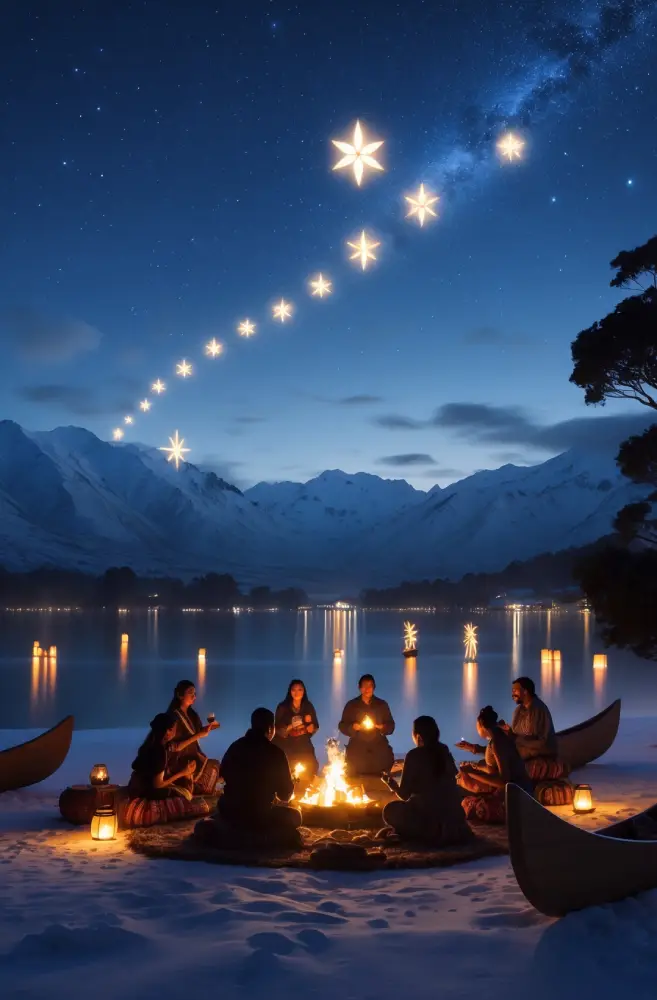
Matariki represents one of New Zealand’s most significant cultural celebrations, marking the beginning of the Māori New Year through the reappearance of a sacred star cluster in the winter sky. This ancient tradition has found new life in modern Aotearoa, becoming a cornerstone of national identity and cultural awareness.
Definition of Matariki: The Māori New Year Star Cluster
Matariki is the Māori name for the cluster of stars also known internationally as the Pleiades. When these matariki stars reappear in the dawn sky during mid-winter, they herald the beginning of the Māori New Year—a time of profound cultural and spiritual significance. This celestial event transforms from a simple astronomical occurrence into a momentous cultural occasion observed with enthusiasm and veneration throughout New Zealand.
The matariki star meaning extends far beyond mere timekeeping. Each star within the cluster carries its own significance, representing different aspects of life, sustenance, and the natural world. This interconnected understanding reflects the holistic Māori worldview where all elements of existence are interrelated and sacred.
When is Matariki Celebrated? (Timing and Official Holiday)
Matariki is observed annually between late June and early July, when the star cluster becomes visible in the pre-dawn sky of the Southern Hemisphere. In 2025, Matariki will be observed on Friday, 20 June, providing New Zealanders with an opportunity to fully immerse themselves in this cultural celebration.
A historic milestone occurred in 2022 when Matariki became an official public holiday in New Zealand, marking unprecedented recognition for Māori knowledge systems (mātauranga Māori) within the national framework. This decision elevated Matariki from a primarily Māori observance to a celebration embraced by all New Zealanders, regardless of cultural background.
The Deep Meaning and Cultural Significance of Matariki
The essence of Matariki extends far beyond star-gazing, embodying fundamental principles that guide both personal reflection and community connection. Understanding these deeper meanings helps appreciate why this celebration has resonated so powerfully across diverse communities in Aotearoa.
A Time for Remembrance, Celebration, and Preparation
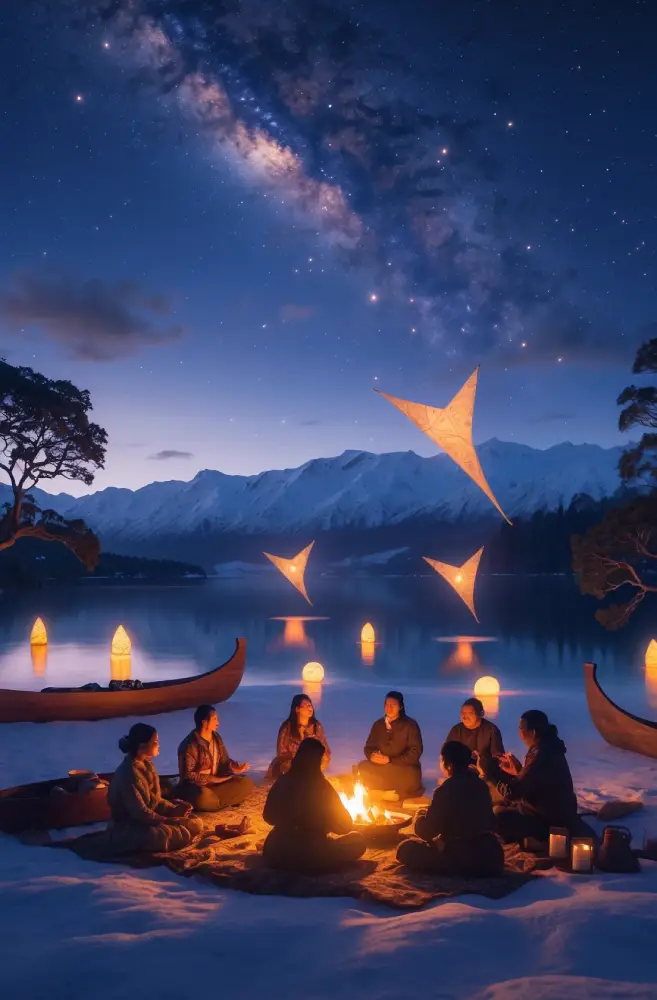
Matariki traditionally serves three interconnected purposes that form the foundation of its observance. First, it provides a sacred time to honour those who have passed away, acknowledging the ancestors whose wisdom and sacrifice shaped the present. This remembrance aspect connects living communities with their whakapapa (genealogy) and cultural inheritance.
Second, Matariki celebrates the present moment—the achievements, relationships, and abundance currently experienced. This celebration encourages gratitude and recognition of life’s blessings, fostering positive community spirit and individual wellbeing.
Finally, Matariki invites preparation for the future through thoughtful planning and intention-setting. Whether focused on personal, professional, or spiritual goals, this forward-looking aspect encourages proactive engagement with upcoming challenges and opportunities. The phrase “manawatia a matariki” captures this spirit, meaning “may Matariki be nourishing” or “happy Matariki.”
Fostering Community and Environmental Awareness
Central to Matariki’s significance is its role in strengthening community bonds and environmental consciousness. The celebration naturally fosters community cohesion by encouraging people to gather, share kai (food), exchange stories, and create lasting memories together. These communal activities rebuild social connections that may have weakened throughout the year.
Environmental stewardship forms another crucial element of Matariki observance. The celebration emphasizes the interconnectedness of all living beings and humanity’s responsibility to preserve Earth’s resources for future generations. This environmental awareness aligns perfectly with contemporary sustainability concerns, making Matariki increasingly relevant to modern environmental movements.
Seasonal Indicator and Navigational Aid
Historically, the appearance of the matariki stars served practical purposes for Māori communities. The cluster’s visibility and clarity provided vital information about upcoming seasonal conditions, helping predict agricultural success and guiding decisions about planting, harvesting, and resource management.
Navigation across the vast Pacific Ocean also relied heavily on stellar observation, with Matariki serving as one of several celestial reference points. This navigational knowledge demonstrates the sophisticated astronomical understanding developed by Māori voyagers, whose oceanic journeys connected Aotearoa with other Pacific islands and cultures.
Understanding the Stars: The Matariki Cluster and Puanga
The astronomical aspects of Matariki reveal the sophisticated knowledge systems that underpin this celebration. Understanding the individual stars and their meanings provides deeper appreciation for the complexity and wisdom embedded in Māori cosmology.
The Nine Stars of Matariki and Their Associations
While the Matariki cluster contains hundreds of stars, nine primary stars hold particular significance in Māori tradition. Each star represents specific aspects of life and the natural world, creating a comprehensive framework for understanding human existence within the broader cosmos.
Matariki itself serves as the “mother, provider, and sustainer of life,” representing the nurturing force that enables all other aspects to flourish. This central star embodies the maternal principle that guides and protects the entire cluster and, by extension, all life on Earth.
Tupu-ā-Rangi connects to food from trees and birds, representing the abundant resources provided by forests and avian life. This star reminds observers of their responsibility to protect these vital food sources and maintain sustainable relationships with forest ecosystems.
Tupu-ā-Nuku links to food grown in the ground, encompassing all agricultural products and root vegetables that sustain human communities. This star emphasizes the importance of soil health, agricultural knowledge, and the cultivation practices that ensure food security.
Waitī symbolizes freshwater and its creatures, highlighting the critical importance of rivers, lakes, streams, and the aquatic life they support. This star connects directly to water conservation and the protection of freshwater ecosystems.
Waitā represents saltwater, the sea, and marine resources, acknowledging the ocean’s role in providing sustenance and serving as a highway for cultural exchange. This star encompasses both coastal and deep-ocean ecosystems and their preservation.
Waipuna-ā-Rangi associates with rain, cleansing, and celestial waters, representing the water cycle that connects earth and sky. This star emphasizes purification, renewal, and the cleansing properties of water in both physical and spiritual contexts.
Ururangi represents winds and their navigational significance, acknowledging the atmospheric forces that drive weather patterns and enable oceanic voyaging. This star connects to both meteorological knowledge and the spiritual significance of air and breath.
Puanga: The Bright Star of Orion
Puanga (known astronomically as Rigel) serves as an alternative marker for the Māori New Year, particularly for iwi (tribes) in regions where Matariki may be obscured by geographical features or weather conditions. As the brightest star in the Orion constellation, Puanga provides a reliable celestial timekeeper that complements the Matariki observations.
Some Māori communities traditionally used Puanga as their primary New Year indicator, demonstrating the diversity and adaptability within Māori astronomical traditions. This flexibility reflects the practical wisdom of having multiple celestial references for such an important cultural marker.
How Matariki is Celebrated: Traditions Old and New
The celebration of Matariki beautifully blends ancient customs with contemporary expressions, creating a living tradition that honors the past while engaging with present realities. This dynamic approach ensures Matariki remains relevant and accessible to diverse communities across New Zealand.
Matariki as a Public Holiday
Since achieving official public holiday status in 2022, Matariki has become more accessible to all New Zealanders, allowing broader participation in cultural activities and deeper engagement with Māori traditions. This recognition validates the significance of Māori knowledge systems within New Zealand’s national identity and provides practical opportunities for learning and celebration.
The holiday status also enables schools, workplaces, and community organizations to organize meaningful Matariki events without competing against regular work and educational commitments, significantly expanding participation opportunities.
Traditional Practices and Customs
Traditional Matariki celebrations center on fundamental activities that strengthen community bonds and cultural connection. Kai (food) plays a central role, with families and communities gathering to share meals prepared using traditional recipes passed down through generations. These feasts often feature foods that reflect the seasonal availability and cultural significance of various ingredients.
Storytelling forms another cornerstone of traditional observance, with kaumātua (elders) sharing legends, historical accounts, and family histories that preserve cultural knowledge and strengthen intergenerational connections. These stories often incorporate astronomical knowledge, cultural values, and practical wisdom essential for community wellbeing.
Waiata (songs), haka (traditional dances), and karakia (prayers or incantations) provide spiritual and cultural expression during Matariki celebrations. These performative elements connect participants with their cultural heritage while creating powerful communal experiences that reinforce group identity and cultural pride.
Kite flying holds special significance during Matariki, symbolizing the connection between earthly existence and celestial realms. This activity represents aspirations, hopes, and the lifting of prayers or intentions toward the stars, creating a tangible link between human activities and cosmic forces.
Agricultural activities, particularly crop planting, align with Matariki’s themes of renewal and preparation for the future. These practical activities connect participants with the land while demonstrating the celebration’s practical applications in traditional life cycles.
Modern Adaptations and Activities
Contemporary Matariki celebrations incorporate innovative approaches that make the tradition accessible to urban populations and diverse cultural communities. Art exhibitions showcase both traditional and contemporary Māori art, providing visual interpretations of Matariki themes and creating educational opportunities for broader audiences.
Cultural festivals throughout New Zealand feature educational workshops, performance opportunities, and interactive activities that engage participants in hands-on learning about Māori culture and astronomical knowledge. These events often combine entertainment with education, making cultural learning enjoyable and memorable.
Stargazing events take advantage of modern astronomical equipment and knowledge to enhance traditional sky-watching practices. These activities often combine Māori astronomical knowledge with contemporary scientific understanding, creating enriching experiences that honor both knowledge systems.
Light shows and digital installations provide spectacular visual representations of Matariki themes, using technology to create immersive experiences that capture the wonder and significance of the star cluster’s appearance. These modern interpretations make the celebration visually stunning while maintaining cultural authenticity.
Where to Celebrate Matariki in New Zealand
New Zealand’s major cities and regions each offer unique Matariki experiences that reflect local characteristics while honoring the celebration’s core principles. These diverse approaches ensure that everyone can find meaningful ways to participate, regardless of location or cultural background.
Auckland (Tāmaki Makaurau)
Auckland hosts New Zealand’s most extensive Matariki Festival, spanning an entire month with events throughout the region. The festival features large-scale public celebrations, immersive light installations like Tūrama and Taurima, and comprehensive cultural programming that attracts both locals and tourists.
The Matariki Night Markets at SkyCity showcase Māori and Pasifika food stalls, providing authentic culinary experiences while supporting indigenous food businesses. Auckland Art Gallery contributes with exhibitions that explore Matariki themes through visual art, while Auckland Museum offers comprehensive programming including waka (canoe) revitalization projects, light projections, and interactive trails that educate visitors about Māori culture and astronomy.
Wellington (Pōneke)
Wellington’s Matariki celebrations include the spectacular Matariki Ahi Kā, a four-night waterfront experience featuring fire sculptures, projections, cultural performances, and traditional kai. This event transforms Wellington’s harbourfront into a cultural landscape that celebrates both traditional and contemporary expressions of Matariki.
The Mana Moana Pōneke project creates unique experiences by projecting indigenous short films onto water screens in Whairepo Lagoon, combining storytelling with innovative technology. Wellington has also historically marked Matariki with impressive fireworks displays that create shared community experiences across the capital.
Rotorua
Rotorua’s geothermal landscape provides a uniquely appropriate setting for Matariki celebrations, with sacred dawn ceremonies that connect participants to both celestial and terrestrial spiritual forces. The Aronui Arts Festival features spectacular drone shows that create modern interpretations of celestial themes while maintaining cultural respectfulness.
Night markets, live music performances, and bilingual theatre productions provide diverse entertainment options that cater to various interests and cultural backgrounds. The Tohunga Tūmau Dinner offers indigenous dining experiences that showcase traditional foods and preparation methods, while the Whānau Fun Day at Te Puia provides family-friendly activities in a culturally significant setting.
Christchurch (Ōtautahi)
Christchurch centers its Matariki celebrations around art, light, and community spirit, with city-center events that make the celebration accessible to urban populations. The Matariki Weekend at Riverside Market creates a vibrant cultural marketplace that combines food, art, and performance in a single location.
The family-friendly Matariki Glow Show provides spectacular visual entertainment suitable for all ages, while the three-day Matariki Mākete features local artisan stalls, live performances, and food trucks that create a festival atmosphere celebrating both Māori culture and local creativity.
Matariki’s Enduring Impact on Modern New Zealand
The growing significance of Matariki in contemporary New Zealand reflects broader changes in how the nation understands and expresses its cultural identity. This evolution demonstrates the power of indigenous knowledge systems to enrich modern society while maintaining their authentic character.
Cultural Education and Awareness
Educational institutions increasingly integrate Matariki into curricula across multiple subjects, including social studies, science, and arts programs. This integration helps students develop cultural knowledge, empathy, and respect while gaining insights into New Zealand’s rich indigenous heritage.
The educational applications of Matariki extend beyond cultural studies to include astronomy, environmental science, and sustainability education. This interdisciplinary approach demonstrates how indigenous knowledge systems can enhance understanding across multiple academic fields while fostering cultural competency.
Public Recognition and National Identity
Matariki’s status as an official public holiday represents unprecedented recognition of Māori cultural practices within New Zealand’s national framework. This recognition signals the growing importance of indigenous knowledge systems in shaping contemporary national identity and values.
The celebration embodies core aspects of Māori culture—remembrance, celebration, and future planning—that resonate with diverse communities regardless of cultural background. This universal appeal helps build cultural bridges while maintaining the authentic Māori character of the observance.
Revitalization of Te Reo Māori and Cultural Practices
Matariki plays a pivotal role in revitalizing te reo Māori (the Māori language) by providing practical contexts for language use and learning. The celebration creates natural opportunities for people to encounter and use Māori vocabulary, concepts, and cultural frameworks.
The observance also sparks renewed interest in traditional practices like kapa haka (Māori performing arts), whakapapa (genealogy), maramataka (Māori lunar calendar), and rongoā (traditional healing practices). This cultural revitalization strengthens Māori communities while enriching the broader New Zealand cultural landscape.
Personal Journeys with Matariki: Finding Connection
Individual experiences with Matariki demonstrate how this celebration can transform personal understanding and cultural connection. These stories illustrate the power of cultural learning to create meaningful identity formation and professional direction.
Olive Karena-Lockyer’s Story: An Unexpected Entry into Māori Astronomy
Olive Karena-Lockyer’s journey exemplifies how Matariki can serve as a gateway to deeper cultural understanding and professional fulfillment. As a planetarium presenter and educator at Stardome Observatory in Auckland, she discovered her connection to te ao Māori (the Māori world) through astronomical study rather than traditional cultural pathways.
Despite experiencing a colonized upbringing that initially left her feeling disconnected from Māori culture, her engagement with Matariki and the maramataka (Māori lunar calendar) created the missing link she needed. This astronomical knowledge helped everything “click into place,” connecting her scientific interests with Māori worldviews and creating a sense of cultural belonging.
Her current work involves upholding the mana (spiritual power) of mātauranga Māori while inspiring other wahine Māori (Māori women) to pursue careers in astronomy. This story demonstrates how Matariki can serve as a bridge between contemporary careers and traditional knowledge systems, creating fulfilling professional paths that honor both scientific and cultural values.
Connecting Matariki to Your Financial Wellbeing
The principles underlying Matariki—reflection, planning, and future preparation—provide excellent frameworks for addressing personal financial management and long-term economic planning. This practical application demonstrates how cultural wisdom can enhance contemporary life skills.
Reflection, Planning, and Future Aspirations
Matariki’s emphasis on reflection creates ideal opportunities to assess current financial situations, including income, expenses, debt levels, and savings progress. This honest evaluation parallels the cultural practice of acknowledging both achievements and areas requiring improvement.
The celebration’s focus on future planning aligns perfectly with financial goal-setting, whether for short-term objectives like debt reduction or long-term aspirations like retirement savings. The cyclical nature of Matariki provides annual opportunities to review and adjust financial plans based on changing circumstances and priorities.
Utilizing Financial Tools for Matariki-Inspired Planning
Resources like Sorted offer practical tools including goal planners, budgeting calculators, and debt management systems that support Matariki-inspired financial planning. These tools provide concrete methods for implementing the celebration’s philosophical principles in practical financial management.
The combination of cultural wisdom and modern financial tools creates comprehensive approaches to economic wellbeing that honor both traditional values and contemporary realities. This integration demonstrates how ancient principles remain relevant to modern challenges.
Frequently Asked Questions About Matariki
What does Matariki mean?
Matariki is the Māori name for the Pleiades star cluster, marking the beginning of the Māori New Year. The celebration embodies three core principles: remembrance of those who have passed, celebration of present achievements and relationships, and planning for future goals and aspirations. The term encompasses both the astronomical phenomenon and the cultural observance built around it.
When is Matariki seen?
Matariki becomes visible in Southern Hemisphere skies during New Zealand’s winter months, typically appearing in late May or early June. The best viewing occurs just before dawn, when the star cluster appears low in the northeastern sky, usually between 5:00 and 6:30 am. Weather conditions and geographic location can affect visibility.
Is Matariki a public holiday?
Yes, Matariki became an official public holiday in New Zealand in 2022, making it the first public holiday to recognize Māori culture and knowledge systems. The holiday occurs annually in late June or early July, with the specific date determined by lunar and stellar observations that align with traditional Māori astronomical practices.
How do people celebrate Matariki?
Celebrations typically include remembrance ceremonies honoring ancestors, community feasts featuring traditional kai, cultural performances including waiata and haka, stargazing activities, art exhibitions, and environmental conservation projects. Modern celebrations often combine these traditional elements with contemporary activities like light shows, educational workshops, and cultural festivals.
What do the stars of Matariki represent?
Each star within the Matariki cluster holds specific significance, representing different aspects of life and the natural world. Key stars include Matariki (the mother and provider), Tupu-ā-Rangi (food from trees and birds), Tupu-ā-Nuku (food from the ground), Waitī (freshwater), Waitā (saltwater), Waipuna-ā-Rangi (rain), and Ururangi (winds). This system creates a comprehensive framework connecting human needs with natural resources.
Can small businesses use demand forecasting effectively for Matariki?
Yes, modern AI tools and analytics platforms make demand forecasting accessible even for small businesses and teams. Companies can anticipate increased interest in Matariki-related products, services, and content by analyzing search trends, social media engagement, and previous year’s data. This planning aligns with seasonal marketing strategies and helps businesses participate meaningfully in cultural celebrations.
Embracing the Spirit of Matariki
Matariki represents far more than a celestial event or public holiday—it embodies a vibrant, enriching celebration that deepens connections to cultural heritage, community relationships, and the natural world. This ancient tradition offers contemporary relevance through its emphasis on reflection, celebration, and future planning, providing frameworks that enhance both personal growth and community wellbeing.
The celebration’s unique combination of astronomical knowledge, cultural wisdom, and practical application creates opportunities for meaningful engagement across diverse communities. Whether participating in traditional ceremonies, attending modern festivals, or simply taking time for personal reflection during the winter star-rise, Matariki provides pathways for cultural learning and spiritual renewal.
By understanding and participating in Matariki, New Zealanders and visitors alike can fully appreciate the unique cultural landscape of Aotearoa while contributing to the ongoing vitality of Māori knowledge systems. The celebration’s emphasis on interconnectedness—between past and future, individual and community, earth and sky—offers valuable perspectives for addressing contemporary challenges while honoring traditional wisdom.
As Matariki continues to grow in national significance, it creates opportunities for all New Zealanders to engage with indigenous knowledge systems, develop cultural competency, and participate in celebrations that strengthen both personal identity and national character. Manawatia a Matariki—may Matariki bring nourishment, reflection, and renewed purpose to all who embrace its enduring spirit.