
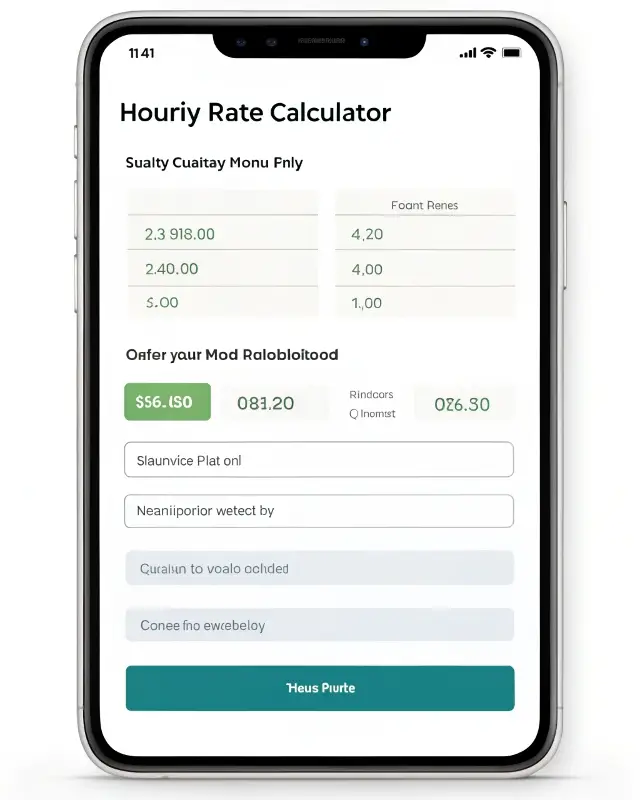
An hourly rate calculator is an essential tool for anyone looking to understand their true earning potential and make informed financial decisions. Whether you’re comparing job offers, negotiating salary, or simply curious about your hourly earnings, this powerful calculator helps you convert between different pay structures with precision and ease.
Understanding your hourly rate is crucial in today’s dynamic job market. With the rise of gig economy work, freelancing, and flexible employment arrangements, knowing how to calculate your hourly wage has become more important than ever. This comprehensive guide will walk you through everything you need to know about hourly rate calculations, from basic conversions to complex overtime scenarios.
What Is an Hourly Rate Calculator?
An hourly rate calculator is a digital tool designed to convert various forms of compensation into an hourly wage equivalent. This versatile hourly wage calculator can transform annual salaries, monthly wages, weekly pay, or daily rates into their hourly counterparts, giving you a clear picture of your earning potential.
Key Features of Modern Hourly Rate Calculators
Modern calculators offer several advanced features:
- Salary to hourly paycheck calculator functionality
- Calculating overtime capabilities
- Multiple currency support
- Customizable work hours and schedules
- Tax consideration options
- Benefits valuation integration
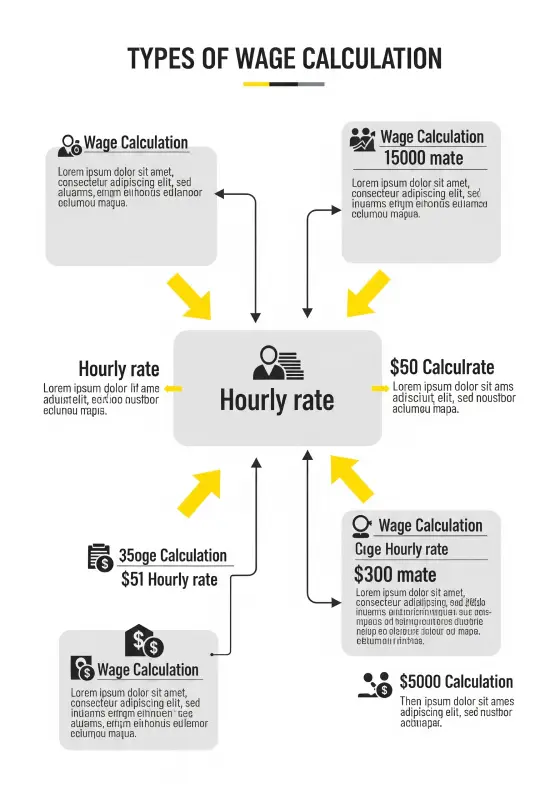
How to Use an Hourly Rate Calculator
Using an hourly to salary calculator is straightforward, but understanding the process helps ensure accuracy:
Step 1: Input Your Current Compensation
Enter your known salary figure, whether it’s:
- Annual salary
- Monthly wage
- Weekly pay
- Daily rate
Step 2: Specify Your Work Schedule
Define your typical work pattern:
- Hours per day
- Days per week
- Weeks per year (accounting for vacation)
Step 3: Calculate and Analyze
The hourly wage converter will instantly provide your hourly rate along with conversions to other time periods.
Types of Hourly Rate Calculations
Standard Hourly Rate Calculation
The basic formula for converting annual salary to hourly rate is: Hourly Rate = Annual Salary ÷ (Hours per Week × 52 weeks)
For example, if you earn $52,000 annually and work 40 hours per week: $52,000 ÷ (40 × 52) = $25 per hour
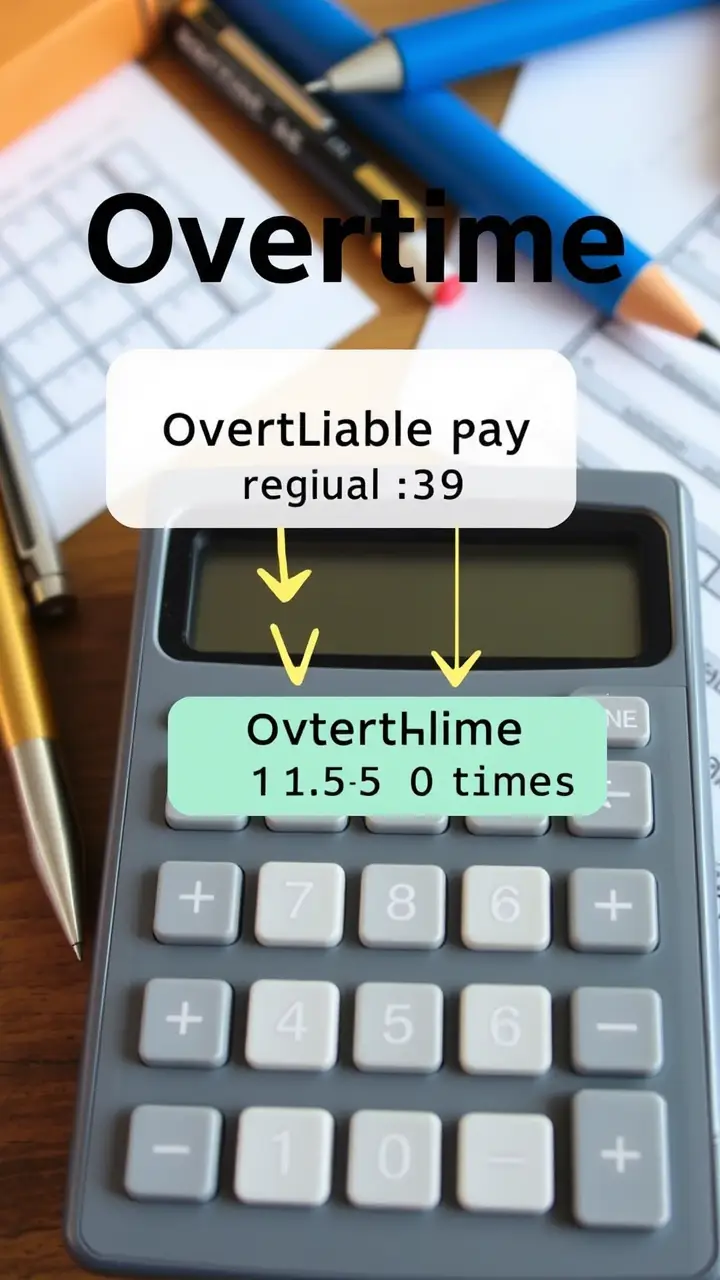
Overtime Calculation
When calculating overtime, remember that overtime is typically paid at 1.5 times the regular rate according to Fair Labor Standards Act regulations:
- Regular hours: 40 hours × $25 = $1,000
- Overtime hours: 5 hours × $37.50 = $187.50
- Total weekly pay: $1,187.50
Benefits of Using an Hourly Rate Calculator
For Job Seekers
- Compare offers across different pay structures
- Evaluate the true value of benefits packages
- Negotiate more effectively
- Determine hourly wage for freelance rate setting
For Employers
- Ensure competitive compensation packages
- Calculate labor costs accurately
- Budget for overtime expenses
- Assess cost-effectiveness of different employment types
For Financial Planning
- Better understand your earning capacity
- Plan for financial goals more effectively
- Evaluate the impact of working additional hours
- Make informed decisions about work-life balance
Common Scenarios for Hourly Rate Calculation
Understanding different conversion scenarios helps you make better financial decisions. The Bureau of Labor Statistics provides valuable context for wage calculations:
| Scenario | Calculation Method | Example |
|---|---|---|
| Annual to Hourly | Annual ÷ (Hours/week × 52) | $60,000 ÷ 2,080 = $28.85/hour |
| Monthly to Hourly | Monthly × 12 ÷ (Hours/week × 52) | $5,000 × 12 ÷ 2,080 = $28.85/hour |
| Weekly to Hourly | Weekly ÷ Hours per week | $1,200 ÷ 40 = $30/hour |
Advanced Features: Calculate Overtime Calculator
A comprehensive calculate overtime calculator should include:
Overtime Thresholds
- Standard 40-hour threshold
- Custom thresholds for different industries
- Daily overtime calculations
- Double-time scenarios
Complex Scheduling
- Rotating shifts
- Compressed workweeks
- Split shifts
- On-call time calculations
Factors That Affect Hourly Rate Calculations
Work Schedule Variations
- Paid vacation time
- Sick leave policies
- Holiday pay
- Unpaid time off
Benefits Consideration
When using a salary to hourly paycheck calculator, consider:
- Health insurance value
- Retirement contributions
- Paid time off
- Professional development opportunities
Industry-Specific Considerations
Healthcare Workers
- Shift differentials
- On-call pay
- Overtime regulations
- Continuing education time
Technology Professionals
- Stock options valuation
- Flexible work arrangements
- Project-based bonuses
- Remote work considerations
Sales Professionals
- Commission structures
- Base salary calculations
- Performance bonuses
- Territory considerations
Tips for Accurate Calculations
Common Mistakes to Avoid
- Forgetting to account for unpaid time off
- Ignoring benefits value
- Miscalculating work hours
- Not considering overtime opportunities
Best Practices
- Use conservative estimates for variable income
- Account for all forms of compensation
- Consider seasonal variations
- Regular recalculation for accuracy
- Consult wage and hour laws for compliance
Figure Hourly Pay: Beyond Basic Calculations
To truly figure hourly pay, consider these advanced factors:
Productivity Metrics
- Revenue per hour generated
- Value-added activities
- Efficiency improvements
- Skill development ROI
Market Comparisons
- Industry benchmarks
- Geographic variations
- Experience level adjustments
- Specialized skill premiums
Related Tools for Comprehensive Wage Management
To maximize the effectiveness of your hourly rate calculations, consider using complementary tools that work hand-in-hand with hourly rate calculators. A Work Hours Calculator is essential for accurately tracking the total hours worked, especially for employees with irregular schedules or multiple job responsibilities. This tool helps you input precise working hours into your hourly rate calculator, ensuring more accurate compensation calculations.
Similarly, a Work Time Calculator becomes invaluable when managing complex schedules that include breaks, overtime periods, and varying shift patterns. By using a work time calculator to determine your exact productive hours, you can then apply these figures to your hourly rate calculator for precise earnings projections. These tools work together to provide a complete picture of your work schedule and corresponding compensation.
For professionals juggling multiple projects or clients, combining these calculators creates a powerful workflow: use the work hours calculator to track time spent on different tasks, apply the work time calculator to account for breaks and non-productive periods, and then utilize the hourly rate calculator to determine your earnings across all activities. This integrated approach ensures you’re accurately valuing your time and maximizing your earning potential.
Choosing the Right Hourly Rate Calculator
Essential Features to Look For
- Multiple conversion options
- Overtime calculation capabilities
- Customizable work schedules
- Tax consideration features
- Mobile-friendly interface
Advanced Features
- Benefits valuation
- Market rate comparisons
- Historical tracking
- Export capabilities
- Integration with payroll systems
The Future of Hourly Rate Calculation
Emerging Trends
- AI-powered market analysis
- Real-time rate adjustments
- Blockchain-based payment verification
- Gig economy optimization tools
Integration Possibilities
- Payroll system connectivity
- Time tracking integration
- Performance metric correlation
- Market data synchronization
An hourly rate calculator is more than just a conversion tool—it’s a powerful instrument for financial empowerment and career development. Whether you’re using it to calculate hourly rates for negotiation purposes, determine hourly wage for freelance work, or simply understand your compensation better, this tool provides valuable insights into your earning potential.
By understanding how to effectively use an hourly to wage calculator, you can make more informed decisions about your career, negotiate better compensation packages, and achieve your financial goals. For additional resources on salary negotiation strategies, consider consulting career development professionals. Remember that accurate calculations require careful consideration of all compensation elements, work schedules, and industry-specific factors.
The key to maximizing the value of any hourly rate calculator is understanding its capabilities and limitations. Use it as a starting point for deeper financial analysis, and always consider the broader context of your total compensation package when making important career decisions.
Ready to calculate your hourly rate? Use our comprehensive hourly rate calculator tool to get instant, accurate results tailored to your specific situation.