
Columbus Day is an annual federal holiday that commemorates the arrival of Christopher Columbus to the Americas on October 12, 1492. Celebrated across the United States and several other countries, it marks a pivotal moment in world history — the beginning of sustained contact between Europe and the Americas. This long-form article explores the history, controversies, and evolving meaning of the holiday, including its growing recognition as Indigenous Peoples’ Day.
Quick Facts: Columbus Day 2026
| Detail | Info |
|---|---|
| Date | Monday, October 12, 2026 |
| Type | Federal Holiday (United States) |
| Also Known As | Indigenous Peoples’ Day |
| Banks & Post Offices | Generally closed |
Upcoming Dates
If you’re planning around October holidays in the US, here are the next three observances:
- Monday, October 12, 2026
- Monday, October 11, 2027
- Monday, October 9, 2028
A Historical Overview
The holiday holds a significant place in history, symbolizing the beginning of European exploration and colonization of the Americas. Christopher Columbus — an Italian explorer sailing under the Spanish crown — embarked on his ambitious voyages to find a westward route to Asia. These expeditions, sponsored by Queen Isabella and King Ferdinand of Spain, resulted in the encounter between Europe and the Americas that would permanently reshape the world.
According to the Library of Congress, Columbus’s arrival triggered an era of exploration and colonization that transformed global trade, culture, and demographics for centuries.
Christopher Columbus: The Explorer Behind the Holiday
Christopher Columbus was born in Genoa, Italy, in 1451. With a passion for navigation, he honed his seafaring skills and embarked on several Atlantic voyages. Despite initial rejections from the Portuguese crown, he secured backing from the Spanish monarchy and set sail on his most famous expedition in 1492 — a journey that would alter the course of history.
The Four Voyages
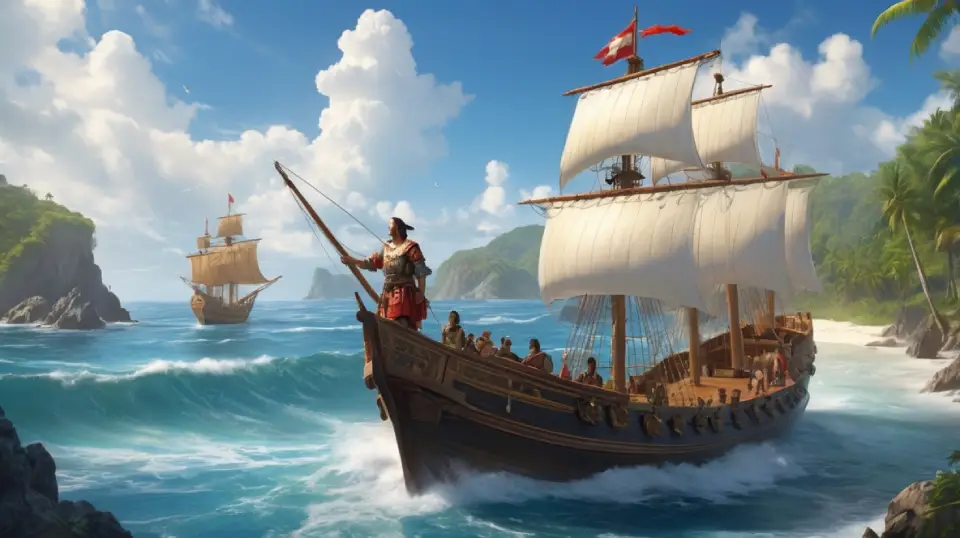
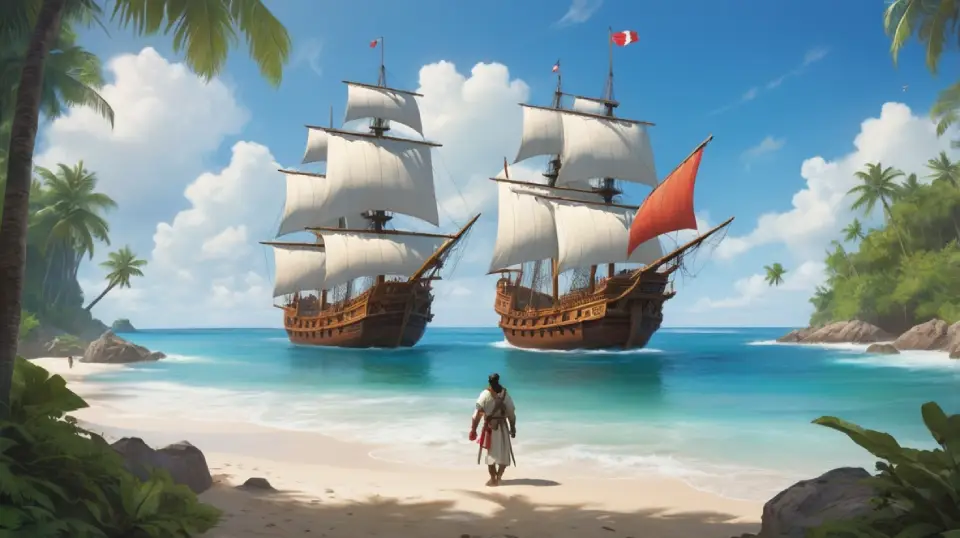
Columbus’s expeditions were groundbreaking, leading to the European discovery of new lands. The first voyage, aboard the Santa María, the Pinta, and the Niña, reached the Bahamas on October 12, 1492. Subsequent journeys brought him to various Caribbean islands and to the coasts of Central and South America.
For a detailed timeline of all four voyages, the National Geographic Society offers an authoritative account used widely in academic settings.
Controversies and Criticisms
While the expeditions had a profound impact on world history, the associated federal holiday has long faced criticism and controversy. Many historians and activists argue that Columbus’s arrival triggered centuries of colonization, exploitation, and the suffering of indigenous peoples. Critics also note that Columbus never reached mainland North America and that indigenous communities had inhabited the continent for thousands of years prior.
The Smithsonian National Museum of the American Indian has documented the devastating effects of European colonization on Native peoples, providing essential historical context for this ongoing debate.
Impact on Indigenous Peoples
The impact of Columbus’s arrival on indigenous populations cannot be overstated. Contact between Europeans and native communities resulted in cultural destruction, disease outbreaks, forced labor, and the mass loss of land and life. For many Native Americans and Indigenous communities worldwide, the day carries deep historical pain.
The United Nations Permanent Forum on Indigenous Issues continues to advocate for the rights and recognition of Indigenous peoples globally — a mission directly connected to the history this holiday invokes.
Celebrations Around the World
The holiday is observed differently across countries. In the United States, it falls on the second Monday of October and often features parades, educational events, and Italian-American heritage festivals — particularly in cities like New York and San Francisco. Spain observes its own national day on October 12, known as Día de la Hispanidad, while Italy honors Columbus as a national figure.
Columbus Day vs. Indigenous Peoples’ Day
The movement to replace the federal holiday with Indigenous Peoples’ Day has grown significantly over the past decade. Advocates argue that celebrating Columbus ignores the contributions and suffering of indigenous communities. Indigenous Peoples’ Day aims to honor the resilience, cultures, and histories of Native American, Alaska Native, and Indigenous peoples worldwide.
In 2021, President Biden became the first U.S. president to officially proclaim Indigenous Peoples’ Day alongside Columbus Day, marking a significant shift in federal recognition.
The Rise of Indigenous Peoples’ Day 2026
By 2026, search interest in “Indigenous Peoples’ Day” is nearly equal to “Columbus Day,” reflecting a major cultural shift. States that have officially adopted Indigenous Peoples’ Day include Hawaii, Maine, New Mexico, Vermont, Alaska, Oregon, and South Dakota, among others. Major cities including Los Angeles, Denver, Seattle, and Phoenix also observe the day in place of the traditional holiday.
The movement reflects a broader national reckoning with the history of colonization and a commitment to centering Indigenous voices in public life.
What Is Open and Closed on Columbus Day 2026?
Because it is a federal holiday, closures follow federal guidelines. Here is what to expect on Monday, October 12, 2026:
| Place | Status |
|---|---|
| Federal Government Offices | ❌ Closed |
| Post Offices (USPS) | ❌ Closed — no mail delivery |
| Banks | ❌ Most closed; ATMs & online banking available |
| Schools | ⚠️ Varies by district |
| Retail Stores & Restaurants | ✅ Generally open; sales common |
| Stock Market (NYSE/NASDAQ) | ✅ Open |
Should It Be Celebrated?
The question of whether this holiday should be celebrated remains a live cultural debate. Supporters argue it recognizes an important historical milestone and celebrates Italian-American heritage. Opponents view it as a commemoration of colonization, violence, and the erasure of indigenous cultures. The discussion raises broader questions about historical representation, cultural sensitivity, and the need for inclusive national narratives.
FAQs
Q: Why is Columbus Day celebrated?
Columbus Day 2026 is observed on Monday, October 12. It is a federal holiday commemorating Christopher Columbus’s 1492 arrival in the Americas. It also celebrates Italian-American heritage and, increasingly, serves as a day to honor Indigenous peoples and cultures.Q: When is Columbus Day 2026?
Columbus Day 2026 falls on Monday, October 12. It is the second Monday of October, consistent with the Uniform Monday Holiday Act established in 1968 to give workers more three-day weekends.
Q: Is Columbus Day a federal holiday?
Yes. In 2026, it is a federal holiday observed on Monday, October 12. It is increasingly recognized alongside Indigenous Peoples’ Day at the federal level, with many states and cities formally adopting the dual designation. Federal offices, banks, and post offices are generally closed.Q: When is it observed?
The holiday is observed on the second Monday of October each year in the United States.
Q: What are the main controversies?
The primary controversies center on the negative impact Columbus’s arrival had on indigenous peoples, including colonization, exploitation, forced conversion, and cultural erasure. Many argue the holiday glorifies a figure who never actually set foot on North American soil.Q: What is Indigenous Peoples’ Day?
Indigenous Peoples’ Day is an alternative observance that honors the contributions, resilience, and cultures of Native American, Alaska Native, and Indigenous peoples worldwide. It has been officially adopted by numerous U.S. states and cities and was recognized alongside the federal holiday by President Biden in 2021.Q: Has the federal holiday been officially replaced?
Not at the federal level. While many states and cities have officially replaced it with Indigenous Peoples’ Day, the federal government continues to recognize both. The debate remains active across different regions and communities.Q: How can we honor history without celebrating colonization?
Educators and historians recommend focusing on inclusive narratives, amplifying Indigenous voices, supporting Native-led organizations, and using the day as an opportunity to learn about the full complexity of this history — both the age of exploration and its devastating consequences.
Columbus Day stands as a holiday that intertwines both celebration and deep controversy. While it marks Christopher Columbus’s historic arrival in the Americas, it also sparks essential debates about the treatment of indigenous peoples and the lasting impacts of colonization. As the conversation continues to evolve, this holiday serves as a reminder of the importance of historical accuracy, inclusivity, and respect for all perspectives — and the ongoing work of building a more equitable future.