
| Date | Name | Day | Week | Days left |
|---|---|---|---|---|
| October 2, 2026 | World Smile Day 2026 | Friday | 40 | 5 |
| October 1, 2027 | World Smile Day 2027 | Friday | 39 | 369 |
| October 6, 2028 | World Smile Day 2028 | Friday | 40 | 740 |
| October 5, 2029 | World Smile Day 2029 | Friday | 40 | 1104 |
| October 4, 2030 | World Smile Day 2030 | Friday | 40 | 1468 |
World Smile Day: A Day to Spread Joy and Kindness
We all know the power of a smile. It’s something simple, yet it has the ability to uplift spirits, connect strangers, and make the world a little brighter. Enter World Smile Day—a day dedicated to the universal act of smiling and spreading kindness around the globe. In this article, we’ll explore the history of World Smile Day, its significance, how you can participate, and why it’s so important to make the world smile a little more.
What is World Smile Day?
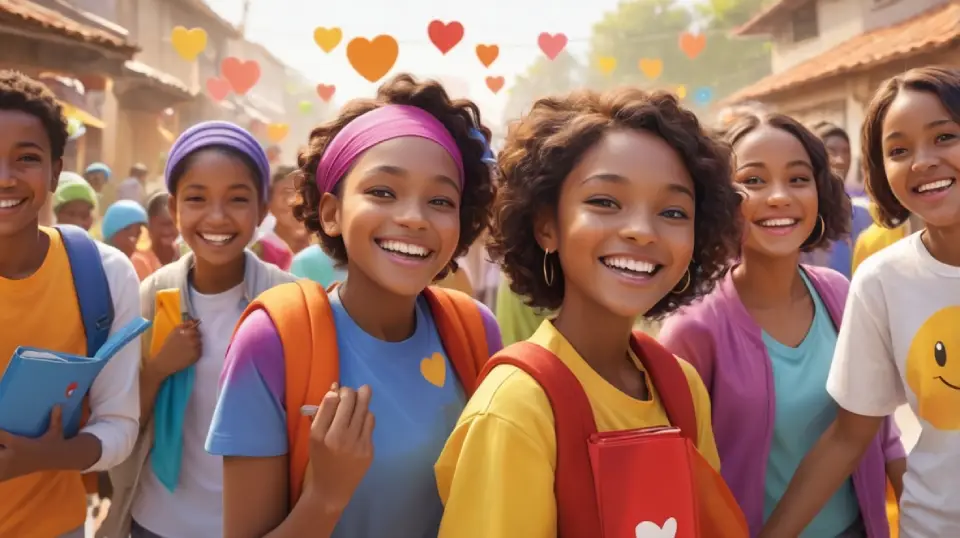
World Smile Day is an annual celebration that takes place on the first Friday of October. It’s a day to encourage people to smile more, perform random acts of kindness, and remind everyone of the positive power of happiness. This fun-filled day focuses on the idea that even the simplest gestures can create ripples of joy in the world.
The Origins of World Smile Day
World Smile Day was created by Harvey Ball, the artist responsible for designing the iconic yellow smiley face. In 1999, he founded the holiday to promote goodwill and inspire positive actions through smiling and kindness. Harvey believed that a smile has the ability to lift others up, regardless of their circumstances. His mission was to remind people to be kind and share that simple yet profound gesture.
Why Celebrate World Smile Day?
It’s easy to overlook the power of a smile, but it can go a long way in brightening someone’s day. Here’s why World Smile Day is so important:
- Spreads Positivity: Smiling is contagious. When you smile, others often follow suit, creating a chain reaction of joy.
- Reduces Stress: Smiling can lower stress levels, increase feelings of happiness, and even improve overall health.
- Promotes Connection: Smiling is a universal gesture that transcends language and cultural barriers, fostering better communication and understanding.
- Encourages Kindness: World Smile Day encourages people to perform random acts of kindness, which can improve communities and foster relationships.

How to Celebrate World Smile Day
Participating in World Smile Day is simple, but its impact can be far-reaching. Here are some fun and meaningful ways you can get involved:
1. Smile at Strangers
You might be surprised at how a simple smile can brighten someone’s day. Whether you’re walking down the street, in the grocery store, or waiting in line, smile at those around you. It’s free, effortless, and contagious.
2. Share a Smile on Social Media
Social media is a powerful tool for spreading positivity. Post a smiley selfie, share a funny or uplifting story, or encourage your followers to spread kindness with the hashtag #WorldSmileDay.
3. Perform Random Acts of Kindness
World Smile Day isn’t just about smiling—it’s about spreading good vibes. Consider doing something kind for someone else, like buying a coffee for the person behind you in line, complimenting a friend, or sending an unexpected message of encouragement to someone who needs it.
4. Volunteer in Your Community
A smile paired with an act of service can make a lasting impact. Volunteer at a local shelter, help a neighbor with groceries, or donate to a charity that supports mental health and well-being.
5. Host a Smile-Themed Event
If you’re feeling creative, why not organize an event dedicated to spreading smiles? This could be a smile competition, a kindness challenge, or even a community event where people come together to share positive stories and encourage each other.

The Science Behind Smiling
Smiling isn’t just a social nicety—it actually has a measurable effect on your brain and body. When you smile, your brain releases endorphins, the chemicals responsible for making you feel good. These “feel-good” hormones help reduce stress and elevate your mood. Studies have shown that smiling can also lower blood pressure, reduce heart rate, and increase overall happiness. So, the next time you smile, you’re not just spreading joy to others—you’re boosting your own well-being, too!
The Role of Smiling in Mental Health
Mental health is a crucial aspect of overall well-being, and a smile can play a surprisingly large role in improving your mental state. Smiling, even when you don’t feel like it, can activate neural pathways in the brain that boost your mood. It can also foster positive self-talk and help reduce negative emotions like anxiety or depression. By smiling, you signal to your brain that you’re in a safe and comfortable state, promoting feelings of security and contentment.
Smiling and Its Connection to Emotional Intelligence
One of the key components of emotional intelligence (EQ) is empathy, and smiling is an important tool for fostering empathy. Smiling can help you connect with others on a deeper level, allowing you to understand and share their feelings. By smiling at others, you’re signaling to them that you acknowledge their emotions and care about their well-being, which strengthens relationships and trust.
Smiles in Different Cultures
While smiling is a universal gesture of kindness and happiness, its meaning and expression can vary across cultures. In some societies, a smile is seen as a sign of politeness, while in others, it’s considered a sign of openness and honesty. Understanding the nuances of smiling in different cultural contexts can help promote better communication and avoid misunderstandings.
The Economic Impact of Smiling
Believe it or not, smiling can also have economic benefits. Studies show that people who smile tend to be perceived as more approachable, confident, and trustworthy. In business, this can lead to better networking, improved customer service, and even increased sales. So, whether you’re meeting a new client or leading a team, a smile can be a valuable tool in creating positive outcomes.
Smiling Through Adversity
In tough times, a smile can seem like a small thing—but it can make a big difference. Smiling through adversity, even when you don’t feel like it, can help you maintain a sense of resilience and hope. By finding moments of joy, no matter how small, you can stay positive and keep moving forward.
The Global Impact of World Smile Day
World Smile Day has a far-reaching impact beyond individual actions. As people from different countries and backgrounds come together to celebrate the power of a smile, the day fosters global unity and solidarity. Whether it’s a smile shared between neighbors or a viral social media campaign, World Smile Day connects people in a meaningful way, creating a global movement for positivity.
World Smile Day is more than just a fun celebration—it’s a reminder of the power of kindness, connection, and happiness. Whether you’re spreading joy through a simple smile, participating in community events, or sharing positive messages on social media, you’re contributing to a global movement of positivity. So, let’s celebrate this day by sharing our smiles with the world and encouraging others to do the same.
FAQs
- How did World Smile Day begin?
- World Smile Day was created by Harvey Ball in 1999 to promote kindness and happiness through the simple act of smiling.
- When is World Smile Day celebrated?
- World Smile Day is celebrated on the first Friday of October every year.
- How can I get involved in World Smile Day?
- You can celebrate by smiling at strangers, performing random acts of kindness, volunteering, or sharing positive messages on social media.
- What is the scientific benefit of smiling?
- Smiling triggers the release of endorphins, which reduce stress and improve mood, leading to overall better health.
- Can a smile improve my mental health?
- Yes, smiling can help reduce anxiety and improve mental well-being by boosting mood and promoting feelings of security.

Chokri Hamouda runs Calendarena.com. He makes simple, printable calendar templates. His goal is to help people organize their time better. He updates the site with monthly and yearly calendars for users worldwide. Chokri focuses on making calendars that are easy to read and use. He also researches holidays and date systems to keep everything accurate.