
When Is Diwali in 2026 and 2027?
Diwali 2026 falls on Sunday, November 8, 2026. Diwali 2027 falls on Friday, October 29, 2027. Both dates mark Lakshmi Puja, the main night of the five-day festival.
Diwali, also called the Festival of Lights, is the Hindu festival celebrating the victory of light over darkness. It is observed on the new moon (Amavasya) of the Hindu month of Kartika, which is why the Gregorian date changes every year and always lands between mid-October and mid-November.
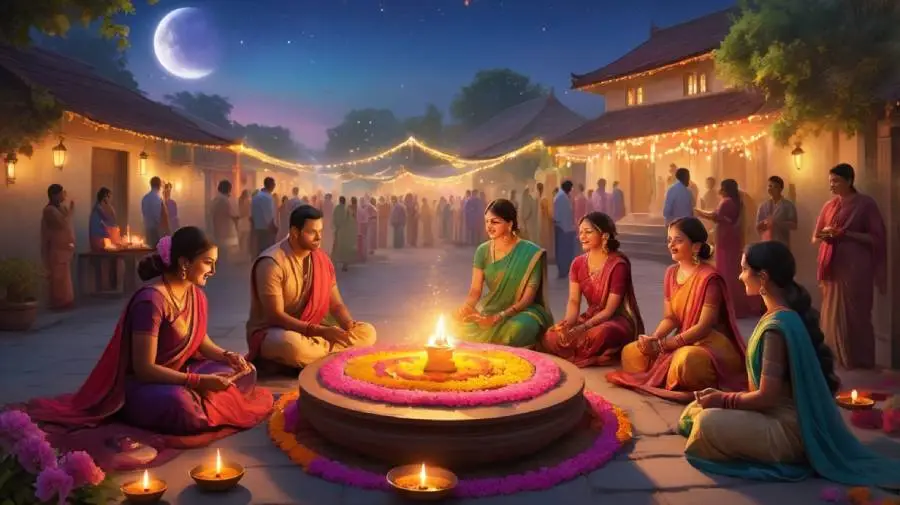
Is Diwali 2026 on November 8 or November 9?
Diwali 2026 is celebrated on November 8. The new moon occurs around midday on November 9 (India Standard Time), so the Amavasya tithi is already running on the evening of November 8, when Lakshmi Puja is performed. Regional panchangs can differ by a day, so check your local temple or panchang for the exact puja time.
How Many Days Until Diwali 2027?
Diwali 2027 is on Friday, October 29, 2027. The counter below shows the days remaining.
Diwali 2027: In 361 daysDiwali 2026 Calendar: November 2026
Diwali 2026 lands in the first full week of November. The calendar below shows the month with India’s holidays marked.
Diwali 2027 Calendar: October 2027
Diwali 2027 arrives in the last week of October, earlier than in 2026. Use this calendar to plan travel, leave and gifts around Friday, October 29.
How Many Days Is Diwali? The Five-Day Schedule
Diwali lasts five days. It starts with Dhanteras and ends with Bhai Dooj, and Lakshmi Puja is the third and central day. The gap between days is not fixed: lunar days (tithis) overlap, so Choti Diwali sometimes falls on the same calendar day as Diwali, and Govardhan Puja can move a day later. Always confirm each day for the current year with a panchang.
| Day | Festival | Also called | Usual timing |
|---|---|---|---|
| 1 | Dhanteras | Dhan Trayodashi | Two days before Diwali |
| 2 | Choti Diwali | Naraka Chaturdashi, Kali Chaudas, Roop Chaturdashi | Day before Diwali, or the same day |
| 3 | Diwali | Lakshmi Puja, Badi Diwali, Deepavali | Amavasya evening (the dates above) |
| 4 | Govardhan Puja | Annakut, Bali Pratipada, Diwali Padwa | Day after Diwali, occasionally two days after |
| 5 | Bhai Dooj | Bhau Beej, Bhai Tika | Two days after Diwali, sometimes the same day as Govardhan Puja |
Day 1: Dhanteras
Dhanteras opens the festival and honors wealth and health. Families buy gold, silver or new utensils as a sign of good fortune, and many worship Lord Dhanvantari, the physician of the gods. Homes are cleaned and decorated in preparation for the days ahead.
Day 2: Choti Diwali (Naraka Chaturdashi)
Choti Diwali commemorates Lord Krishna’s victory over the demon Narakasura. People light small diyas to ward off darkness and negative energy. In West Bengal the same night is Kali Puja, dedicated to Goddess Kali.
Day 3: Diwali and Lakshmi Puja
The third day is the main celebration. Families light rows of diyas, draw rangoli at the entrance and worship Goddess Lakshmi and Lord Ganesha in the evening. The ritual details, muhurat and mantras are covered in our Lakshmi Puja guide.
Day 4: Govardhan Puja (Bali Pratipada)
Govardhan Puja remembers Lord Krishna lifting Govardhan Hill to shelter villagers from Indra’s storm. Devotees offer a mountain of food, known as Annakut. In several regions the same day honors the return of King Bali and starts the new year.
Day 5: Bhai Dooj
The final day celebrates the bond between siblings. Sisters apply a tilak to their brothers’ foreheads and pray for their wellbeing, and brothers give gifts in return. Read more on the Bhai Dooj date page.
Diwali, Deepavali or Divali: What Is the Difference?
Diwali, Deepavali, Deepawali, Dipawali and Divali are different spellings of the same festival. “Deepavali” is the Sanskrit-based form, meaning “row of lights”, and is the preferred spelling in South India, Malaysia and Singapore. “Divali” is common in Trinidad and Tobago, Guyana and Suriname.
Deepavali gained global recognition on December 10, 2025, when UNESCO inscribed it on the Representative List of the Intangible Cultural Heritage of Humanity during its session in New Delhi.
Is Diwali a Public Holiday?
Yes, Diwali is a public holiday in India. It is a gazetted holiday for central government offices, and banks, schools and most businesses close on Lakshmi Puja day. States can add extra days around it, and stock exchanges hold a short symbolic Muhurat trading session on the evening of Diwali.
Outside India, Diwali, Deepavali or Divali is also an official public holiday in Nepal (as part of Tihar), Sri Lanka, Singapore, Malaysia, Fiji, Mauritius, Trinidad and Tobago, and Guyana. Large Indian communities in the United Kingdom, the United States, Canada, Australia and the Gulf states celebrate on the same day, even where it is not a day off. Local time zones can occasionally shift the evening puja to a neighboring date.
To plan leave and closures, use the 2026 India calendar with holidays or the 2027 India calendar.
Is Diwali the Hindu New Year?
Diwali is the start of the new year in some Hindu traditions, but not for all of India. In Gujarat, the Vikram Samvat year begins on the day after Diwali (Govardhan Puja day), and many traders open fresh account books during Lakshmi Puja. Other communities follow different new year dates, such as Ugadi, Gudi Padwa, Vishu or Puthandu in spring. There is no single Indian New Year.
Why Does the Diwali Date Change Every Year?
Diwali follows the Hindu lunisolar calendar, which tracks both the moon and the sun. It is set by the Kartika Amavasya, the new moon night, so it moves within a window of about a month in the Gregorian calendar. Occasional leap months (Adhika Masa) shift the date further. This is why Diwali can never fall in September or December.
Previous Diwali Dates
If you are looking for last year’s date, here are the two most recent festivals.
| Year | Diwali date | Day | Note |
|---|---|---|---|
| 2025 | October 20, 2025 | Monday | Most of India; some regions observed October 21 |
| 2024 | October 31, 2024 | Thursday | Some regions observed November 1 |
Diwali Origins: Mythology and History
Diwali’s roots appear in ancient Hindu texts such as the Skanda Purana and the Padma Purana. Several legends explain the festival, and which one is told depends on the region and community.
The Ramayana Connection
The best-known story is Lord Rama’s return to Ayodhya after defeating Ravana and completing 14 years of exile. The citizens lit lamps along the road to welcome him, a tradition that continues in every diya lit today.
Other Legends and Communities
In South India, Diwali centers on Krishna’s victory over Narakasura. In West Bengal it is Kali Puja. Jains observe the nirvana of Lord Mahavira, while Sikhs mark Bandi Chhor Divas, the release of Guru Hargobind Ji from imprisonment.
Diwali Traditions in Brief
The core customs are consistent across regions:
- Cleaning and decorating homes, because a clean home is believed to welcome Lakshmi.
- Lighting diyas in homes, streets and temples.
- Rangoli designs made from colored powder, flowers or rice at the entrance.
- New clothes, sweets and gifts shared with family, friends and neighbors.
- Charity, with many families donating food, clothes or money.
Fireworks remain popular, but awareness of air pollution has pushed many families toward green crackers, clay diyas, biodegradable rangoli and sustainable gifts.
How to Plan Around Diwali
Diwali is one of the busiest travel and shopping periods of the year in India, so planning ahead saves money and stress.
- Confirm the date for your region with the dates table above and your local panchang.
- Book trains, flights and buses early. Demand peaks in the days before Dhanteras as people travel to their home towns.
- Check holiday closures. Banks, government offices and schools close on Lakshmi Puja day, and some states add extra days off.
- Shop for Dhanteras in advance. Gold, silver and utensils are most popular on the first day, and stores are crowded.
- Prepare the home and puja items a week ahead: diyas, oil or candles, rangoli colors, flowers and sweets.
- Order gifts early if you are sending them abroad, since international delivery slows during festival weeks.
Employers and schools outside India often publish their own Diwali policies, so ask in advance if you need the day off.
Frequently Asked Questions About Diwali
Q: When is Diwali in 2026?
A: Diwali 2026 is on Sunday, November 8, 2026. It is the main Lakshmi Puja night of the five-day festival.
Q: When is Diwali in 2027?
A: Diwali 2027 is on Friday, October 29, 2027. The five-day festival begins a couple of days earlier with Dhanteras.
Q: How many days is Diwali?
A: Diwali lasts five days, from Dhanteras to Bhai Dooj. Some regions count six days when tithis overlap.
Q: When does Diwali start and end?
A: Diwali starts with Dhanteras, usually two days before the main day, and ends with Bhai Dooj, usually two days after it.
Q: Is Diwali a public holiday in India?
A: Yes. It is a gazetted central government holiday, and banks, schools and most offices close on Lakshmi Puja day.
Q: Is Diwali the Indian New Year?
A: Only in some traditions. Gujarat starts its new year the day after Diwali, while other regions celebrate it in spring.
Q: Why does the Diwali date change every year?
A: Diwali follows the lunisolar Hindu calendar and falls on the Kartika new moon, so its Gregorian date shifts each year.
Q: How many days are left until Diwali 2027?
A: Diwali 2027 is on October 29, 2027, which is 387 days after October 7, 2026.
Q: Which countries celebrate Diwali?
A: India, Nepal, Sri Lanka, Singapore, Malaysia, Fiji, Mauritius, Trinidad and Tobago and Guyana recognize it as a public holiday. Diaspora communities celebrate worldwide.
Plan Around Diwali
Browse more festivals, holidays and monthly planners in our India holiday calendar hub.

Chokri Hamouda runs Calendarena.com. He makes simple, printable calendar templates. His goal is to help people organize their time better. He updates the site with monthly and yearly calendars for users worldwide. Chokri focuses on making calendars that are easy to read and use. He also researches holidays and date systems to keep everything accurate.