
When is Native American Day Dates.?
| Date | Name | Day | Week | Days left |
|---|---|---|---|---|
| September 25, 2026 | Native American Day 2026 | Friday | 39 | - |
| September 24, 2027 | Native American Day 2027 | Friday | 38 | 348 |
| September 22, 2028 | Native American Day 2028 | Friday | 38 | 712 |
| September 28, 2029 | Native American Day 2029 | Friday | 39 | 1083 |
| September 27, 2030 | Native American Day 2030 | Friday | 39 | 1447 |
| September 26, 2031 | Native American Day 2031 | Friday | 39 | 1811 |
| September 24, 2032 | Native American Day 2032 | Friday | 39 | 2175 |
| September 23, 2033 | Native American Day 2033 | Friday | 38 | 2539 |
| September 22, 2034 | Native American Day 2034 | Friday | 38 | 2903 |
| September 28, 2035 | Native American Day 2035 | Friday | 39 | 3274 |
Native American Day is a special occasion dedicated to honoring and celebrating the rich heritage, culture, and contributions of Indigenous peoples in the United States. This observance plays a vital role in recognizing the profound impact Native American communities have had on shaping the nation’s history and identity. By acknowledging these contributions, we foster a deeper understanding and respect for the diversity that enriches our society.
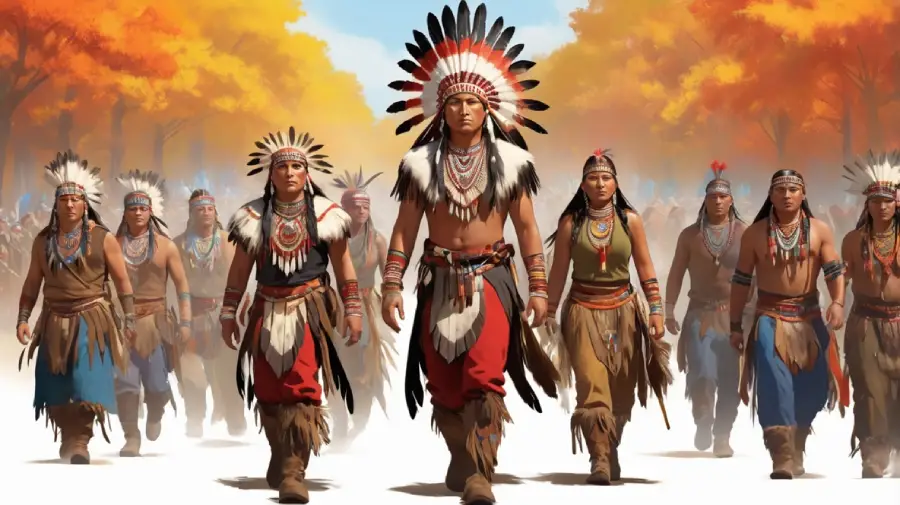
Historical Background
Origins of Native American Day
The origins of Native American Day date back to the early 20th century. Key figures like Arthur C. Parker, a prominent Seneca anthropologist and historian, were instrumental in advocating for an official day to recognize Native American heritage. In 1915, the Congress of the American Indian Association formally endorsed this idea, marking the beginning of broader recognition efforts.
From Local Observances to National Recognition
Initially observed in states like South Dakota, where Native American Day became a state holiday in 1990, the observance has grown significantly over time. This evolution underscores the increasing acknowledgment of Native American history and culture at both state and national levels.
Presidential Proclamations
Key Presidential Milestones
Presidential proclamations have played a significant role in elevating the status of Native American Day and related observances. In 1976, President Gerald Ford established Native American Awareness Week, laying the groundwork for future celebrations. Later, President Ronald Reagan proclaimed 1983 as the first National American Indian Heritage Week, recognizing the essential contributions of Native peoples to the nation’s culture and history.
Establishment of Native American Heritage Month
In 1990, President George H.W. Bush declared November as Native American Heritage Month. This month-long observance provides a meaningful opportunity to celebrate Native American achievements and traditions, coinciding with a time of harvest and thanksgiving that is significant to many tribes.
Cultural Significance
Why November Matters
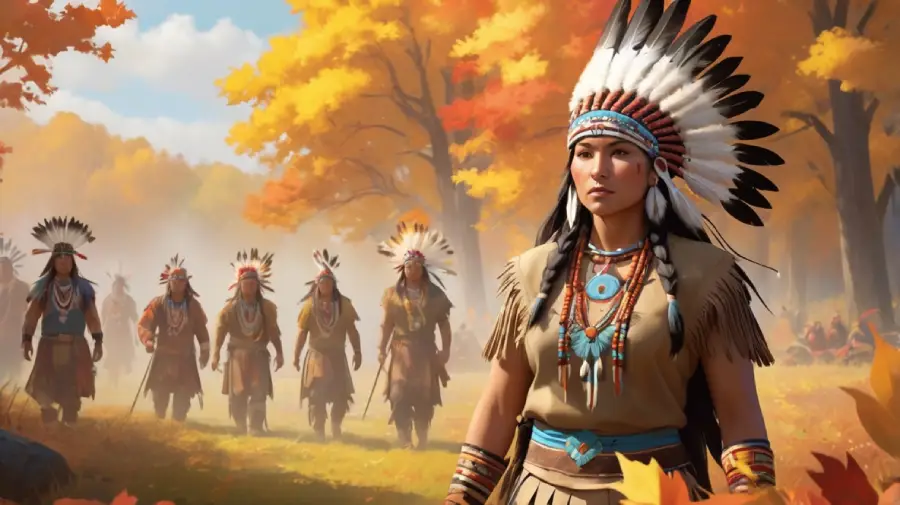
The choice of November for Native American Heritage Month is deeply symbolic. For many Indigenous communities, this period aligns with harvest traditions and ceremonies that honor the earth’s abundance. It is a time of gratitude, reflection, and connection to ancestral practices.
Celebrating Native Culture
Throughout November, various events highlight the diversity of Native American traditions. These include powwows, storytelling sessions, art exhibits, and educational workshops. These activities offer invaluable opportunities to experience the richness of Indigenous cultures and promote cross-cultural understanding.
Contemporary Observances
State and Local Celebrations
Today, Native American Day is celebrated in diverse ways across the United States. States like California and Tennessee host cultural festivities, educational programs, and community gatherings. Schools and universities integrate Indigenous history into their curricula, fostering awareness and challenging stereotypes.
Advocacy and Initiatives
In addition to public celebrations, Native American Day serves as a platform for advocacy. Many organizations focus on preserving Native languages, supporting tribal sovereignty, and ensuring equitable representation for Indigenous peoples in various sectors.
Honoring Native American history and culture through observances like Native American Day and Native American Heritage Month is crucial for fostering respect and understanding. These celebrations provide a chance to reflect on the enduring legacy of Indigenous peoples and their invaluable contributions to society.
As we commemorate these occasions, let us take meaningful action: participate in local events, support Indigenous artists and businesses, and educate ourselves about the histories and cultures of Native communities. Together, we can build a future rooted in recognition, respect, and equity for all.
Upcoming Holidays And Celebrations:
| Date | Type | Name |
|---|---|---|
| 11 October 2026 | Event | Pastor Appreciation Day 2026 |
| 11 October 2026 | Event | Yom Kippur 2026 |
| 11 October 2026 | National day | National Coming Out Day |
| 12 October 2026 | Event | Indigenous Peoples' Day 2026 |
| 12 October 2026 | Holiday | Columbus Day 2026 |
| 13 October 2026 | Event | Ada Lovelace Day 2026 |
| 13 October 2026 | Event | Navy Birthday |
| 15 October 2026 | Event | Global Handwashing Day |
| 15 October 2026 | Event | Spirit Day 2026 |
| 15 October 2026 | Event | White Cane Safety Day |
| 16 October 2026 | Event | Boss’s Day |
| 16 October 2026 | Event | World Food Day |
| 17 October 2026 | Event | International Day for the Eradication of Poverty |
| 17 October 2026 | Event | Sweetest Day 2026 |
| 17 October 2026 | National day | National Pasta Day |
| 18 October 2026 | Event | Alaska Day |
| 20 October 2026 | Event | International Sloth Day |
| 20 October 2026 | Event | Vijaya Dashami 2026 |
| 20 October 2026 | National day | National Pharmacy Technician Day 2026 |
| 21 October 2026 | Event | Back to the Future Day |
Frequently Asked Questions About Native American Day
When is Native American Day in 2026?
Native American Day 2026 will be observed on Monday, October 12, 2026.
When is Native American Day in 2027?
Native American Day 2027 will be observed on Monday, October 11, 2027.
When is Native American Day in 2028?
Native American Day 2028 will be observed on Monday, October 9, 2028.
When is Native American Day in 2029?
Native American Day 2029 will be observed on Monday, October 8, 2029.
Does Native American Day fall on the same date every year?
No. Native American Day does not have the same calendar date every year. It is observed on a Monday, and the date changes each year depending on the calendar.

Chokri Hamouda runs Calendarena.com. He makes simple, printable calendar templates. His goal is to help people organize their time better. He updates the site with monthly and yearly calendars for users worldwide. Chokri focuses on making calendars that are easy to read and use. He also researches holidays and date systems to keep everything accurate.