
Upcoming Dates & Celebration Timeline
| Date | Name | Day | Week | Days left |
|---|---|---|---|---|
| November 1, 2026 | Day of the Dead 2026 | Sunday | 44 | 38 |
| November 1, 2027 | Day of the Dead 2027 | Monday | 44 | 403 |
| November 1, 2028 | Day of the Dead 2028 | Wednesday | 44 | 769 |
| November 1, 2029 | Day of the Dead 2029 | Thursday | 44 | 1134 |
| November 1, 2030 | Day of the Dead 2030 | Friday | 44 | 1499 |
| November 1, 2031 | Day of the Dead 2031 | Saturday | 44 | 1864 |
| November 1, 2032 | Day of the Dead 2032 | Monday | 45 | 2230 |
| November 1, 2033 | Day of the Dead 2033 | Tuesday | 44 | 2595 |
| November 1, 2034 | Day of the Dead 2034 | Wednesday | 44 | 2960 |
| November 1, 2035 | Day of the Dead 2035 | Thursday | 44 | 3325 |
Day of the Dead: A Celebration of Life and Remembrance
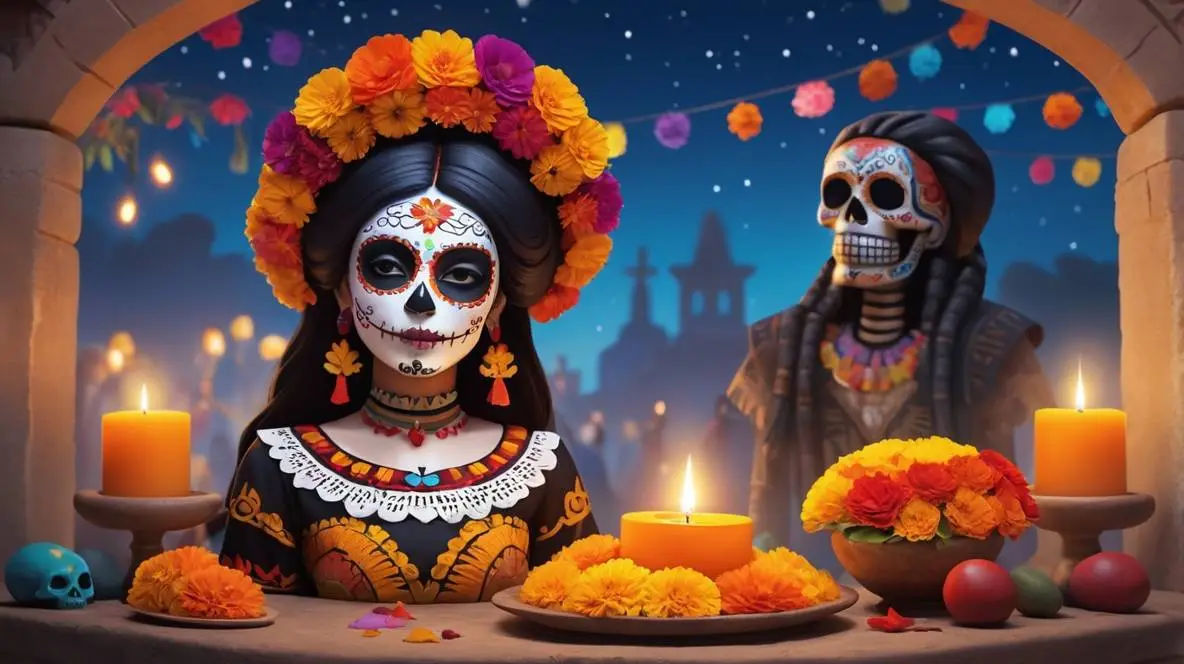
Day of the dead or Día de los Muertos is celebrated annually from November 1 to November 2. On these days, it is believed that the souls of the deceased return to visit their families and loved ones. This celebration is a joyful and colorful occasion where the living and dead come together to reconnect.
Preparations Begin Early
While the celebration occurs in November, preparations start around mid-October. Families visit the graves of their deceased relatives to invite them back to Earth. Death may seem grim, but sadness is considered disrespectful to the visiting souls. Instead, the purpose of Día de los Muertos is to celebrate the lives of the deceased and enjoy precious moments together.
Origin of the Day of the Dead: A Fusion of Cultures
Early Aztec Celebrations
The Día de los Muertos tradition dates back over 3000 years to the Aztecs and pre-Hispanic civilizations. The skull became a prominent symbol during these celebrations, beautifully decorated and used in rituals. The Aztecs worshipped the sun god Tonatiuh, believing he died each evening and was reborn each morning, paralleling their views on the human cycle of death and rebirth.
The Spanish Invasion
In 1521, the Spanish conquered the Aztec Empire, bringing Catholic missionaries who converted the locals. They celebrated All Saints’ Day and All Souls’ Day, which honored the dead. Over the three centuries of Spanish occupation, Aztec and Spanish traditions merged, leading to a shift in the date of Día de los Muertos from August to November.
Celebration Traditions: Ofrendas, Calaveras, and More
Traditions vary by region, influenced by diverse cultures, but some common practices include:
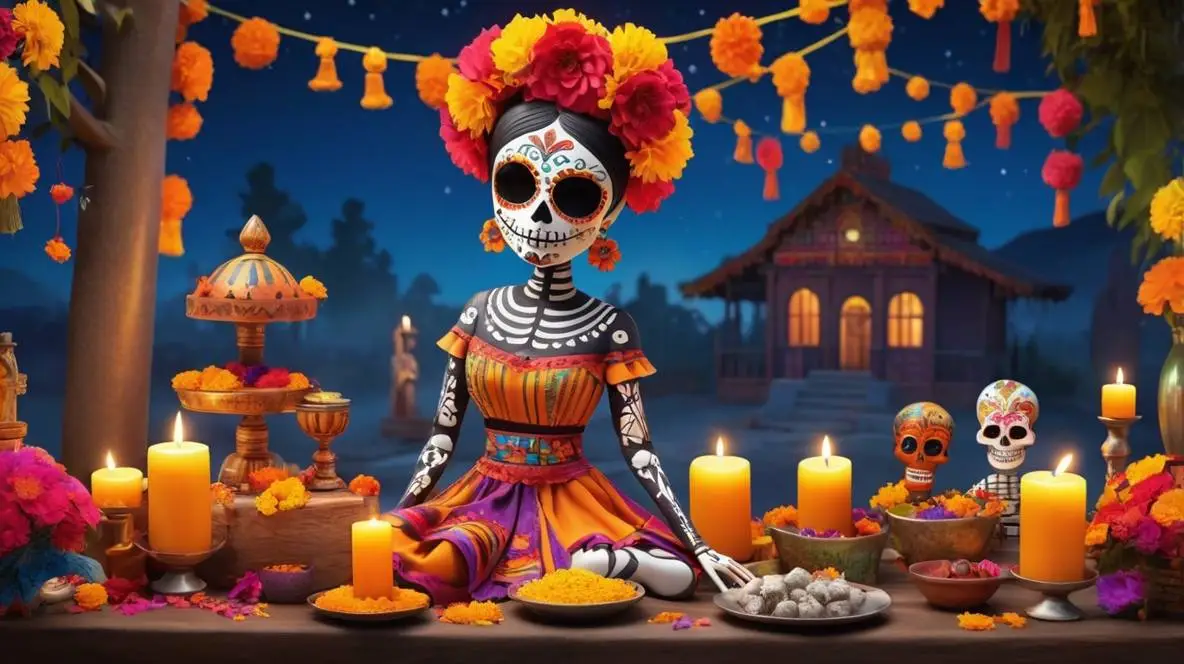
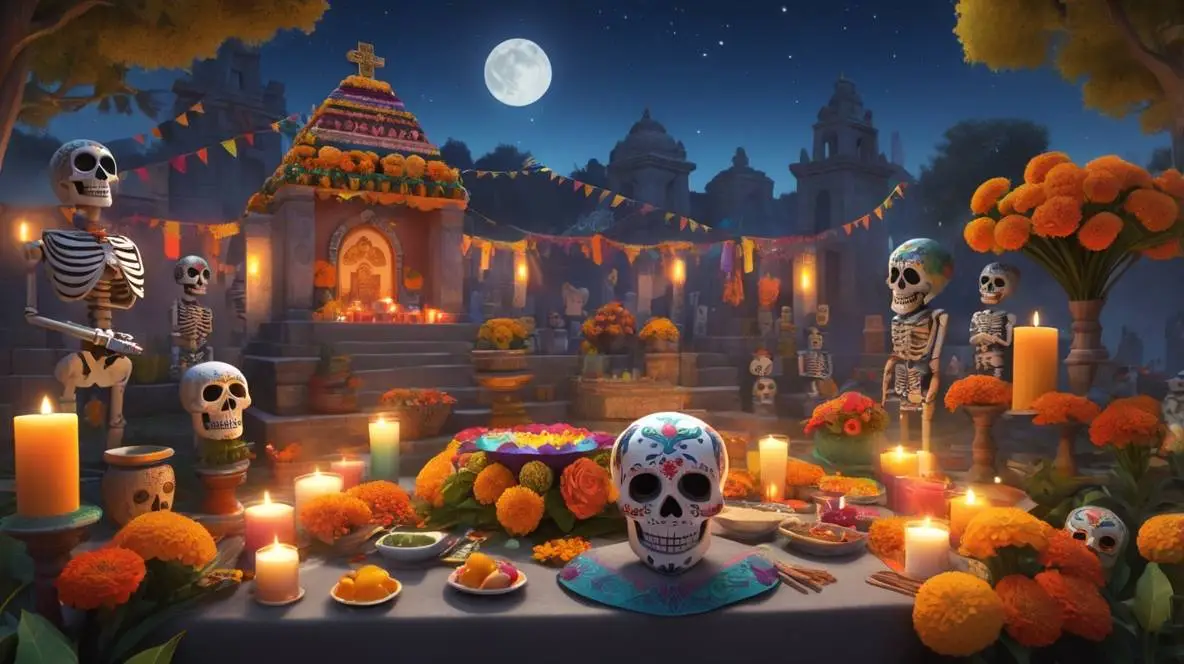
- Ofrendas: Altars decorated with flowers, candles, photos, mementos, and skulls in honor of deceased loved ones.
- Mass Attendance: Many attend mass and visit gravesites to pay their respects.
- Festive Cemeteries: Cemeteries become bright and cheerful, filled with picnics, dancing, and singing.
- Calaveras: Skulls, which can be seen in sugar candies, face paintings, and clay decorations, are integral to the celebration.
- Marigolds: These flowers are often used to create paths that guide ancestral spirits home.
Interesting Facts
- Before the Spanish invasion, Día de los Muertos for adults was celebrated for an entire month.
- An old tradition involved tying gifts to trees, with the highest climber considered closest to their ancestors and gods.
- Many believe the village of the dead is a heavenly place free from disasters, with reversed nights and days.
- Hot chocolate is a popular beverage during this festive time.
Upcoming Holidays And Celebrations:
| Date | Type | Name |
|---|---|---|
| 24 September 2026 | Event | World Quantum Readiness 2026 |
| 25 September 2026 | Event | Native American Day 2026 |
| 25 September 2026 | Event | Sukkot 2026 |
| 25 September 2026 | National day | Comic Book Day |
| 25 September 2026 | National day | National Daughters Day |
| 25 September 2026 | National day | National Lobster Day |
| 26 September 2026 | Event | Johnny Appleseed Day |
| 26 September 2026 | National day | HR Professionals Day |
| 26 September 2026 | National day | National Doodle Day |
| 26 September 2026 | National day | National Dumpling Day |
| 26 September 2026 | National day | National Public Lands Day 2026 |
| 26 September 2026 | National day | National Singles Day 2026 |
| 27 September 2026 | Event | Gold Star Mother's Day 2026 |
| 27 September 2026 | Event | International Daughters Day 2026 |
| 27 September 2026 | Event | World Tourism Day |
| 28 September 2026 | Event | International Daughters Day |
| 28 September 2026 | National day | National Neighbor Day 2026 |
| 28 September 2026 | National day | National Sons Day |
| 29 September 2026 | Event | Michaelmas 2026 |
| 29 September 2026 | Event | Veterans of Foreign Wars - VFW 2026 |
Frequently Asked Questions
When is Day of the Dead in 2026?
In 2026, Day of the Dead (Día de los Muertos) begins on Sunday, November 1 and ends on Monday, November 2, 2026.
When is Day of the Dead in 2027?
In 2027, Day of the Dead begins on Monday, November 1 and ends on Tuesday, November 2, 2027.
When is Day of the Dead in 2028?
In 2028, Day of the Dead begins on Tuesday, November 1 and ends on Wednesday, November 2, 2028.
When is Day of the Dead in 2029?
In 2029, Day of the Dead begins on Thursday, November 1 and ends on Friday, November 2, 2029.
When is Day of the Dead in 2030?
In 2030, Day of the Dead begins on Friday, November 1 and ends on Saturday, November 2, 2030.
Why is Day of the Dead celebrated over two separate days?
Día de los Muertos is split into two days to honor different loved ones:
- November 1 (Día de los Inocentes): Also known as All Saints’ Day, this day is traditionally dedicated entirely to remembering and celebrating deceased infants and children.
- November 2 (Día de los Muertos): Also known as All Souls’ Day, this day is dedicated to remembering and celebrating deceased adults.
What is the difference between Day of the Dead and Halloween?
While they occur at the same time of year, they are entirely different holidays. Halloween has its roots in Celtic pagan traditions (Samhain) and often focuses on fright, costumes, and mischief. Day of the Dead is a joyous Mexican holiday of Indigenous Aztec origin focused on love, respect, and remembering deceased family members by welcoming their souls back for a brief visit.
What is an “ofrenda” and what goes on it?
An ofrenda is a private altar built in homes or at gravesides to welcome spirits back. Traditional altars include:
- Photographs of the deceased family members.
- Cempasúchil (Mexican Marigolds): Bright yellow-orange flowers whose scent guides spirits back home.
- Sugar Skulls (Calaveras): Colorful, decorative skulls representing the sweetness of life and death.
- Favorite foods and drinks of the deceased to nourish them after their long journey.
- Pan de Muerto: A sweet, traditional baked bread shaped with bone-like decorations on top.
- Candles and Incense (Copál): To light the way and clear the air of bad energy.
Is Day of the Dead a sad holiday?
No. While it involves remembering deceased loved ones, Día de los Muertos is an incredibly positive, vibrant, and joyful celebration of life. Instead of mourning loss, families share funny stories, play music, and throw feasts to celebrate the enduring bond they share with those who have passed away.

Chokri Hamouda runs Calendarena.com. He makes simple, printable calendar templates. His goal is to help people organize their time better. He updates the site with monthly and yearly calendars for users worldwide. Chokri focuses on making calendars that are easy to read and use. He also researches holidays and date systems to keep everything accurate.